Running a successful garage is not only about repairing vehicles. It is also about understanding customers, keeping their information organized, remembering their service history, and providing a smooth experience from booking to vehicle delivery. When customer information is handled manually, it can become difficult to remember previous services, follow up on repairs, or maintain regular communication.
Customer Management helps garages organize customer details and build stronger relationships with vehicle owners. A simple and consistent process can help service advisors understand customer needs, improve communication, and encourage customers to return for future services.
A better customer process does not always require complicated changes. Small improvements in the way a garage stores information, communicates with customers, handles appointments, and follows up after service can make a big difference. In this guide, we will discuss nine smart ways to build a better garage business.
Table of Contents
Why Customer Relationships Matter in a Garage
A customer may visit a garage because of a specific repair problem, but their experience can influence whether they return in the future. Clear communication, accurate billing, timely updates, and professional service can help create a positive impression.
Customer Management gives garage teams a structured way to handle customer information and service interactions. Instead of treating every visit as a completely new transaction, the garage can use previous records to understand the customer’s vehicle and service history.
This can make future visits easier for both the customer and the service team.
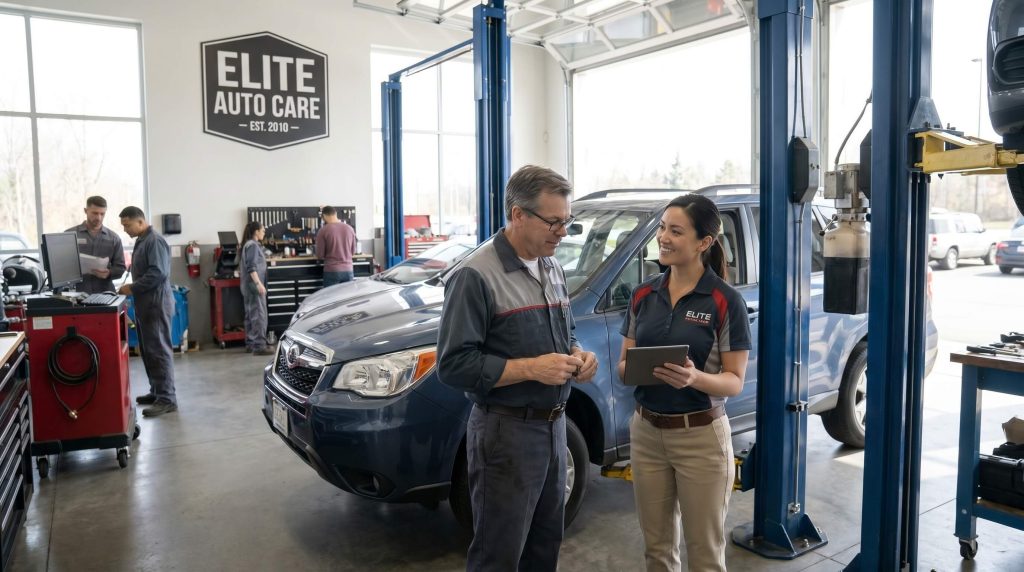
9 Smart Ways to Build a Better Garage Business
1. Keep Customer Information Organized
The first step is to maintain accurate customer information. This may include the customer’s name, phone number, email address, vehicle registration number, vehicle model, and other useful details.
Customer Management becomes easier when this information is stored in one organized place. Service advisors do not need to search through notebooks, messages, or separate files every time a customer visits the garage.
Make sure customer records are updated when contact details or vehicle information changes. Clean records help the team provide faster and more accurate service.
2. Maintain Complete Vehicle Service History
Customers often return to the same garage for regular maintenance and repairs. Keeping a record of previous services can help the workshop understand what work has already been completed.
A useful service history may include previous repairs, oil changes, replaced parts, inspection findings, recommendations, and service dates.
When customers return, the service advisor can review this information before discussing the current service. This saves time and helps create a more personalized experience.
3. Make Appointment Booking Simple
A complicated booking process can discourage customers from scheduling a service. Garages should make it easy for customers to request a service appointment and provide the basic information needed before their visit.
The booking process can include customer details, vehicle information, preferred date, service requirement, and contact information.
Customer Management can help garages organize appointment information and reduce confusion about which vehicles are expected during the day.
4. Keep Customers Updated During Repairs
Customers want to know what is happening with their vehicle after they leave it at the garage. They may want updates about inspection results, additional repairs, spare parts, delays, or completion.
Do not wait for customers to call repeatedly for basic information. Provide useful updates at important stages of the service process.
For example, the garage can inform the customer when inspection is completed, when additional work needs approval, when the repair starts, and when the vehicle is ready.
Customer Management becomes more effective when communication is consistent and customers receive useful information at the right time.
5. Explain Repairs in Simple Language
Not every customer understands automotive technical terms. If a technician identifies a problem, the service advisor should explain it in simple and clear language.
Tell the customer what the problem is, why it matters, what repair is recommended, and what the expected cost may be. Photos or inspection reports can also help explain visible problems.
Simple explanations can reduce confusion and help customers make better decisions about additional repair work.
6. Provide Clear Invoices
The invoice is an important part of the customer experience. Customers should be able to understand what they are paying for without needing to ask many questions.
A clear invoice should show services, labor charges, spare parts, quantities, taxes, discounts where applicable, and the final amount.
Avoid unclear item names or unnecessary information. A simple invoice makes the payment process easier and helps customers understand the work completed on their vehicle.
7. Follow Up After Service
The relationship with a customer should not end when the vehicle leaves the garage. A short follow-up message can show that the garage cares about the customer’s experience.
The garage can ask whether the vehicle is performing properly and whether the customer is satisfied with the service. If there is a problem, the customer gets an easy opportunity to report it.
Customer Management also includes maintaining relationships after the service is completed. Regular but useful follow-ups can encourage customers to return when their vehicle needs maintenance again.
8. Send Useful Service Reminders
Vehicle maintenance is often forgotten because customers have busy schedules. A garage can help by reminding customers when a service, inspection, oil change, or other maintenance activity may be due.
Reminders should be useful rather than excessive. The message can include the customer’s vehicle details, the recommended service, and an easy way to contact the garage or book an appointment.
Using service history to create relevant reminders can make communication more personal and useful.
9. Use Customer Feedback to Improve the Garage
Customer feedback can provide useful information about what the garage is doing well and where improvements are needed. Ask customers about communication, service quality, waiting time, billing, and their overall experience.
Do not focus only on positive reviews. Negative feedback can also help identify problems that may be affecting other customers.
Review feedback regularly and use it to improve internal processes. This can help the garage create a better experience over time.
How Better Customer Records Save Time
When customer information is stored manually in different places, employees may spend time searching for basic details. They may need to check old invoices, messages, job cards, or paper records.
A digital customer record can bring important information together. Service advisors can quickly find customer and vehicle details and use them during appointments, inspections, repairs, and billing.
Customer Management helps reduce repeated data entry and makes it easier for employees to work with accurate information.
Connect Customers With Their Vehicles
A garage may serve the same customer with multiple vehicles, so customer records and vehicle records should be connected properly.
For example, a customer may own a car and a family vehicle that both require regular servicing. Keeping separate vehicle histories under the correct customer record helps the garage understand which work belongs to which vehicle.
This can also make future appointment booking faster because employees can select the correct vehicle instead of entering its information again.
Use Job Cards to Improve Service Tracking
Job cards are useful for recording what needs to be done on a vehicle. They can include customer complaints, inspection findings, technician notes, parts used, services performed, and repair status.
When customer records are connected with job cards, service advisors can quickly understand the current status of a vehicle. This makes it easier to answer customer questions and provide accurate updates.
A connected workflow also reduces the need to ask technicians for the same information repeatedly.
Benefits of Better Customer Handling
- Better customer records
- Faster access to vehicle history
- Improved appointment handling
- Clearer repair communication
- Better service follow-ups
- More organized billing
- Fewer repeated customer calls
- Improved customer satisfaction
- Stronger repeat business
- More professional garage operations
These improvements can help a garage create a smoother experience while making daily work easier for service advisors and managers.
How AutoDots Can Help Modern Garages
AutoDots provides digital solutions designed to help automotive businesses organize important daily operations. Modern workshop tools can help teams manage customer information, vehicle details, appointments, job cards, inspections, inventory, billing, and other service activities.
Customer Management can become easier when customer and vehicle information is maintained in an organized digital process. This can help service teams spend less time searching for records and more time focusing on customers.
Garages and automotive businesses interested in technology and partnership opportunities can explore the AutoDots partner program to learn more.
For more automotive business tips, workshop guides, and useful technology information, visit the AutoDots blog.
Simple Tips to Improve Customer Service
Start by checking your existing customer records. Remove duplicate entries where possible and make sure important contact and vehicle information is accurate.
Create a simple process for every customer visit. This can include appointment booking, vehicle check-in, inspection, repair approval, progress updates, billing, vehicle delivery, and post-service follow-up.
Train service advisors to communicate clearly and avoid unnecessary technical language. Customers should understand what is happening with their vehicle and why a particular repair is recommended.
Finally, review customer feedback regularly. Even small improvements in waiting time, communication, billing, or follow-up can improve the overall customer experience.
Common Customer Handling Problems to Avoid
One common problem is keeping customer information in multiple disconnected places. This makes it difficult to know which record is correct.
Another problem is forgetting to update customers when a repair is delayed. Customers are more likely to become frustrated when they have to call the garage to find out what is happening.
Garages should also avoid surprising customers with unclear additional charges. Explain extra repair requirements and obtain approval before performing additional work whenever appropriate.
Finally, do not ignore customers after vehicle delivery. A simple follow-up can help identify problems early and show that the garage values the relationship.
Frequently Asked Questions
What is Customer Management for a garage?
Customer Management for a garage is the process of organizing customer details, vehicle information, service history, appointments, communication, repair records, billing, and follow-ups to create a better customer experience.
How can Customer Management improve a garage business?
Customer Management can help garages organize customer records, understand vehicle history, improve communication, manage appointments, provide better follow-ups, and encourage customers to return for future services.
Why is vehicle service history important?
Vehicle service history helps the garage understand previous repairs, maintenance work, replaced parts, and recommendations. This information can be useful when the customer returns for another service.
How can garages get more repeat customers?
Garages can encourage repeat visits by providing reliable service, clear communication, accurate billing, useful maintenance reminders, and good post-service follow-ups.
Can digital tools help manage garage customers?
Yes. Digital tools can organize customer and vehicle information, appointments, job cards, service history, communication, inspections, inventory, and billing in a more structured process.
Conclusion
Building a successful garage business requires more than completing vehicle repairs. Customers also expect clear communication, organized service, accurate billing, and a smooth experience from booking to vehicle delivery.
Customer Management provides a practical way to organize customer information, maintain vehicle history, manage appointments, communicate during repairs, follow up after service, and build stronger customer relationships.
The goal is simple: understand your customers, keep their information organized, communicate at the right time, and make every service visit easier. With a consistent process and suitable digital tools, garages can improve customer satisfaction, encourage repeat business, and build a stronger long-term business.