How to Manage Repair Orders is a critical question for every auto repair shop looking to improve efficiency, reduce delays, and deliver better customer experiences. Repair orders are the foundation of workshop operations because they connect customer requests, vehicle information, technician tasks, parts usage, service updates, and billing processes.
Many garages still struggle with manual processes, unclear communication, missing information, and delayed updates. Learning How to Manage Repair Orders effectively helps workshops create organized workflows, improve productivity, and increase customer satisfaction.
This complete guide explains the best practices, tools, and strategies that modern auto repair shops can use to manage repair orders successfully in 2026.
Table of Contents
What Is a Repair Order?
A repair order is a detailed record that contains all important information related to a vehicle service or repair job. It usually includes customer details, vehicle information, requested services, inspection results, repair estimates, technician assignments, parts used, and final billing details.
Understanding How to Manage Repair Orders properly ensures that every repair moves smoothly from vehicle check-in to final delivery.
A well-managed repair order creates transparency between customers, service advisors, technicians, and workshop managers.
Why Repair Order Management Matters
Efficient repair order management directly impacts workshop performance. Poor handling of repair orders can lead to missed deadlines, incorrect billing, unhappy customers, and reduced productivity.
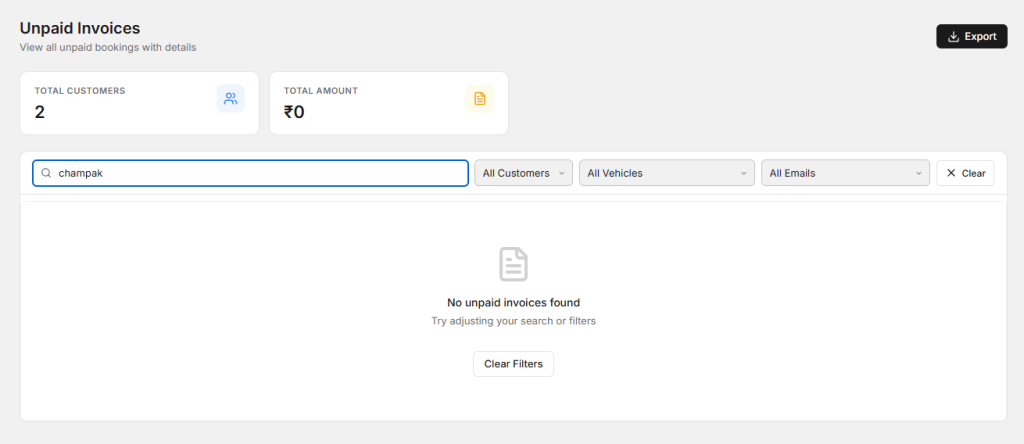
When workshops understand How to Manage Repair Orders, they can improve workflow visibility and maintain better control over daily operations.
Organized repair order processes help garages handle more vehicles without compromising service quality.
1. Collect Complete Customer and Vehicle Information
The first step in How to Manage Repair Orders is collecting accurate customer and vehicle details.
Important information includes customer contact details, vehicle registration, mileage, service history, complaints, and requested repairs.
Complete information helps technicians understand the job requirements and avoid unnecessary delays.
2. Create Clear Repair Descriptions
A detailed repair description is essential for successful workshop operations.
When learning How to Manage Repair Orders, clear documentation should always be a priority. Service advisors should record customer concerns, inspection findings, and recommended repairs accurately.
Clear descriptions reduce misunderstandings and improve communication between teams.
3. Assign Jobs Efficiently to Technicians
Proper technician assignment improves workflow efficiency.
An important part of How to Manage Repair Orders is matching repair tasks with technicians based on their skills, availability, and workload.
Balanced job allocation helps reduce repair delays and improves workshop productivity.
4. Track Repair Progress in Real Time
Workshop managers need visibility into every active repair job.
Using modern systems for How to Manage Repair Orders allows managers to track job status, identify bottlenecks, and take action before delays occur.
Real-time tracking creates better control over daily operations.
5. Improve Customer Communication
Customers want regular updates about their vehicle repairs.
A strong approach to How to Manage Repair Orders includes keeping customers informed about inspection results, approval requests, repair progress, and completion timelines.
Better communication builds trust and improves customer satisfaction.
6. Maintain Accurate Parts Tracking
Parts management is closely connected with repair order efficiency.
Workshops that understand How to Manage Repair Orders should track parts availability, usage, and replacement requirements during every repair.
Accurate parts tracking prevents delays caused by missing inventory.
7. Reduce Manual Paperwork
Paper-based repair orders can create several challenges, including lost records, duplicate entries, and slow information sharing.
Digital solutions make How to Manage Repair Orders easier by storing all repair information in one centralized platform.
Reducing paperwork improves accuracy and saves valuable staff time.
8. Improve Billing Accuracy
Repair orders directly influence final invoices.
A proper process for How to Manage Repair Orders ensures that labor charges, parts costs, additional services, and approvals are recorded correctly.
Accurate billing improves transparency and prevents customer disputes.
9. Maintain Complete Service History
Vehicle service history provides valuable information for future maintenance decisions.
Workshops that focus on How to Manage Repair Orders can maintain detailed records of previous repairs, replaced parts, and customer preferences.
Complete history helps provide better recommendations and personalized service.
10. Use Reports to Improve Performance
Data analysis helps workshops identify improvement opportunities.
Modern repair order systems provide insights into repair times, technician performance, revenue trends, and customer patterns.
Using reports is an important part of How to Manage Repair Orders efficiently.
11. Standardize Your Repair Workflow
A consistent workflow helps every repair order follow the same professional process.
Workshops that master How to Manage Repair Orders create standard procedures for vehicle intake, inspection, repair approval, service updates, quality checks, and delivery.
Standardization improves reliability and customer confidence.
How Autodots Helps Manage Repair Orders
Autodots helps auto repair shops simplify repair order management through digital job cards, workflow tracking, appointment scheduling, customer management, and automated service reminders.
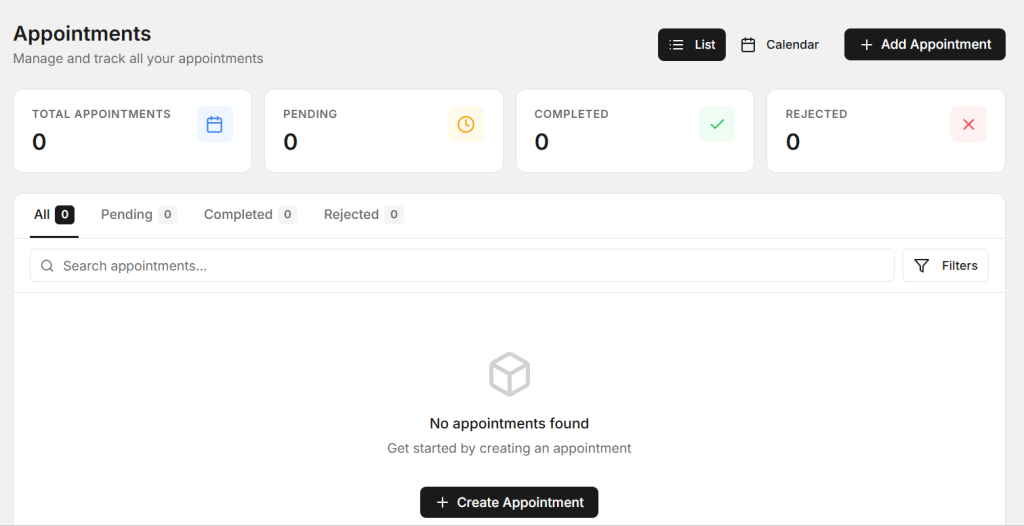
The platform allows workshops to manage repair information digitally, track job progress, improve technician coordination, and provide better customer communication.
Autodots also supports SMS campaigns, email marketing, and WhatsApp communication, helping garages keep customers updated throughout the repair journey.
Common Repair Order Management Challenges
- Incomplete customer information.
- Lost paperwork.
- Delayed repair updates.
- Poor technician coordination.
- Incorrect billing information.
- Parts availability issues.
- Lack of workflow visibility.
- Communication gaps.
Addressing these challenges helps workshops improve efficiency and customer satisfaction.
Benefits of Better Repair Order Management
- Faster repair completion.
- Improved technician productivity.
- Better customer communication.
- Reduced administrative work.
- Accurate billing.
- Higher customer trust.
- Improved workshop profitability.
- Better operational control.
Increase Your Workshop Visibility
Garages looking to attract more customers can join the Autodots Partner Program. Listing your workshop helps vehicle owners discover trusted automotive service providers and improves online visibility.
Combining better repair management with increased visibility can support long-term business growth.
Learn More About Workshop Growth
For more insights on garage management, customer retention, and automotive business growth strategies, visit the Autodots Blog.
Frequently Asked Questions
What is a repair order in an auto repair shop?
A repair order is a document or digital record containing all details related to a customer’s vehicle repair or service job.
Why is repair order management important?
Effective repair order management improves workflow efficiency, customer communication, billing accuracy, and overall workshop productivity.
Can small garages use digital repair order systems?
Yes. Digital repair order solutions help workshops of all sizes improve organization and reduce manual work.
How does technology improve repair order management?
Technology provides real-time tracking, digital records, automated communication, and better operational visibility.
How can better repair order management increase customer satisfaction?
Clear updates, accurate billing, and faster service delivery create better customer experiences.
Conclusion
How to Manage Repair Orders effectively is essential for modern auto repair shops that want to improve efficiency, reduce delays, and provide excellent customer service. By organizing customer information, tracking repairs digitally, improving communication, and using modern workshop management tools, garages can create smoother operations and stronger customer relationships. A well-managed repair order process helps workshops increase productivity, improve profitability, and prepare for future growth.