Auto Repair Benchmark Report data is becoming increasingly important for workshop owners who want to understand how their business compares to top-performing garages. As the automotive repair industry continues to evolve, successful workshops are using technology, automation, customer communication, and data-driven decisions to achieve better results than their competitors.
In 2026, garage owners face new challenges, including rising customer expectations, increasing competition, technician shortages, and growing operational costs. Understanding the findings of an Auto Repair Benchmark Report can help workshop owners identify performance gaps and discover strategies used by the industry’s most successful businesses.
This guide explores the key trends, performance indicators, and best practices that top-performing garages are using to achieve sustainable growth.
Table of Contents
Why Benchmarking Matters for Auto Repair Shops
Before analyzing an Auto Repair Benchmark Report, it is important to understand why benchmarking matters. Benchmarking allows workshop owners to compare their business performance against industry standards and identify areas that need improvement.
Top-performing garages regularly monitor key metrics such as customer retention, booking rates, technician productivity, repair turnaround times, and revenue growth.
By tracking performance consistently, workshops can make smarter business decisions and improve profitability.
1. Top Garages Use Digital Job Cards
One of the most important findings in every Auto Repair Benchmark Report is the growing adoption of digital job cards.
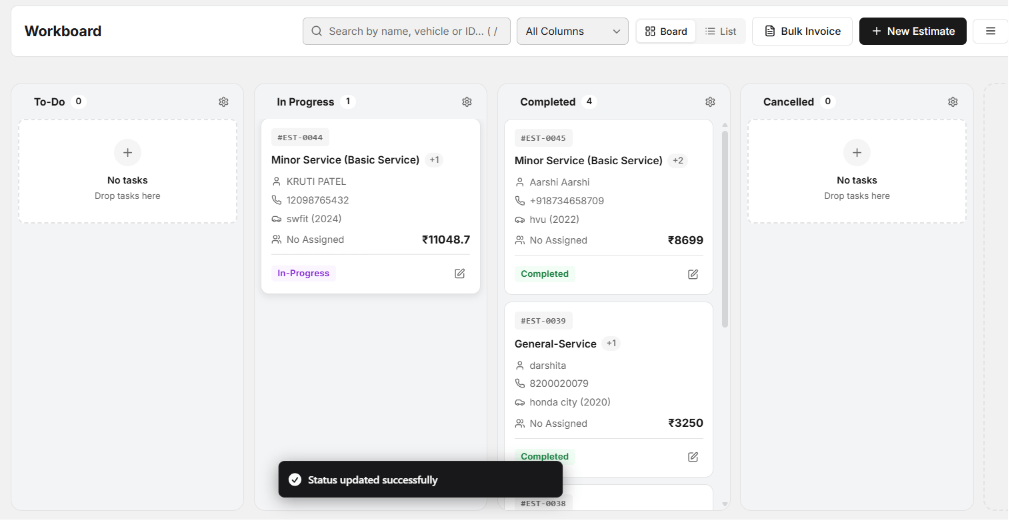
Leading workshops have moved away from paper-based systems and now use digital job cards to improve communication between service advisors and technicians.
This helps reduce errors, improve workflow visibility, and increase productivity throughout the repair process.
2. Appointment Scheduling Is Highly Optimized
Another common trend highlighted in an Auto Repair Benchmark Report is efficient appointment scheduling.
Top garages use online booking systems and automated scheduling tools to maximize workshop capacity while reducing idle time.
Well-managed schedules help increase daily bookings and improve customer convenience.
3. Customer Communication Is Automated
An Auto Repair Benchmark Report often shows that successful garages invest heavily in customer communication.
Automated service reminders, repair updates, booking confirmations, and follow-up messages help maintain strong customer relationships.
Consistent communication improves customer satisfaction and encourages repeat visits.
4. SMS, Email, and WhatsApp Are Widely Used
Modern communication channels are another important trend identified in an Auto Repair Benchmark Report.
Top-performing workshops use SMS campaigns, email marketing, and WhatsApp communication to engage customers more effectively.
These channels help garages stay connected with customers while promoting services and maintenance reminders.
5. Customer Retention Is a Priority
One of the strongest indicators within an Auto Repair Benchmark Report is customer retention performance.
Successful workshops understand that retaining existing customers is often more cost-effective than constantly acquiring new ones.
They focus on building trust, providing excellent service, and maintaining regular communication after repairs are completed.
6. Top Garages Monitor Key Performance Metrics
According to every modern Auto Repair Benchmark Report, data-driven management is becoming essential.
Leading workshops regularly monitor technician productivity, revenue per repair order, customer retention rates, booking conversion rates, and average repair times.
Access to accurate business data allows managers to identify improvement opportunities quickly.
7. Workflow Efficiency Is Continuously Improved
Workflow optimization is another major finding in an Auto Repair Benchmark Report.
Top-performing garages analyze repair processes regularly to identify bottlenecks, reduce delays, and improve resource allocation.
Efficient workflows increase workshop capacity and enhance customer experiences.
8. Inventory Management Is Closely Controlled
An Auto Repair Benchmark Report frequently highlights the importance of inventory control.
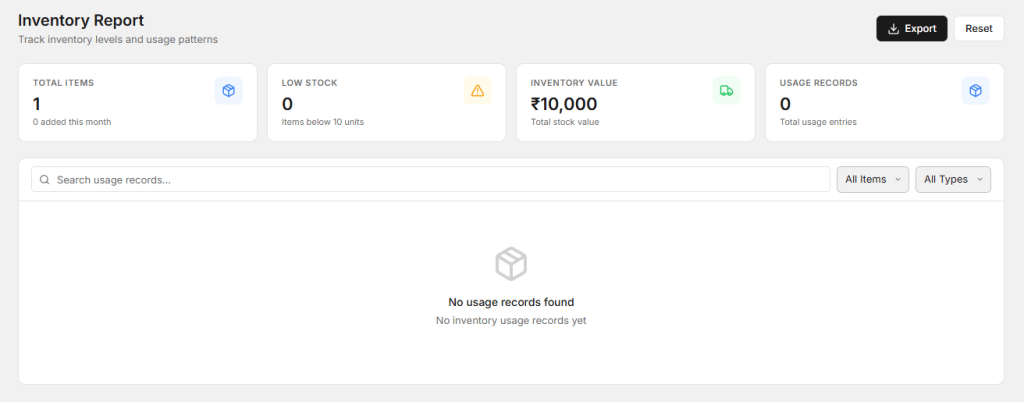
Successful garages use digital inventory systems to track parts usage, monitor stock levels, and reduce unnecessary inventory costs.
Better inventory management contributes directly to profitability and operational efficiency.
9. Online Visibility Drives More Bookings
Marketing performance is another area where top workshops stand out in an Auto Repair Benchmark Report.
High-performing garages invest in local SEO, online reviews, business listings, and digital marketing to attract new customers.
A strong online presence helps generate consistent booking opportunities throughout the year.
10. Staff Productivity Is Actively Managed
Another common characteristic found in an Auto Repair Benchmark Report is a strong focus on technician productivity.
Successful workshop managers monitor workload distribution, training opportunities, and repair efficiency to maximize team performance.
Productive technicians contribute significantly to workshop profitability.
11. Technology Is Used to Support Growth
Perhaps the most important lesson from an Auto Repair Benchmark Report is that technology adoption directly supports business growth.
Leading garages use integrated management systems to streamline operations, improve customer experiences, and gain better visibility into business performance.
Technology helps workshops scale more efficiently while maintaining service quality.
How Autodots Helps Garages Perform Like Industry Leaders
Many of the practices identified in benchmark reports can be achieved using modern workshop management platforms such as Autodots.
Autodots provides digital job cards, appointment scheduling, customer management, workflow tracking, automated service reminders, reporting tools, and business performance insights.
The platform also includes SMS campaigns, email marketing, and WhatsApp communication features that help garages strengthen customer relationships while reducing manual workload.
Common Differences Between Average and Top-Performing Garages
- Better customer retention strategies.
- More efficient appointment scheduling.
- Higher technician productivity.
- Stronger customer communication.
- Improved workflow management.
- Greater use of automation tools.
- More accurate business reporting.
- Better online visibility.
These differences often separate industry leaders from average-performing workshops.
Key Metrics Every Garage Should Track
- Daily bookings.
- Customer retention rate.
- Average repair order value.
- Technician efficiency.
- Workshop utilization rate.
- Revenue growth.
- Review ratings.
- Marketing conversion rates.
Tracking these metrics can help workshops continuously improve performance and profitability.
Increase Your Workshop Visibility
Garages looking to attract more customers can join the Autodots Partner Program. Listing your workshop helps improve visibility and allows vehicle owners to discover trusted automotive service providers more easily.
Increased visibility can generate additional bookings and long-term growth opportunities.
Learn More About Automotive Business Growth
For more workshop growth strategies, technology insights, and automotive business tips, visit the Autodots Blog.
Transform Your Workshop Performance
The most successful garages consistently analyze their performance, adopt modern technology, and focus on delivering exceptional customer experiences.
Benchmarking against industry leaders can help workshops identify opportunities for improvement and create a clear path toward growth.
Frequently Asked Questions
What is an auto repair benchmark report?
An auto repair benchmark report compares workshop performance metrics against industry standards to identify strengths and improvement opportunities.
Why is benchmarking important for garages?
Benchmarking helps workshop owners understand how their business performs compared to top competitors and industry averages.
What metrics should auto repair shops track?
Important metrics include bookings, customer retention, technician productivity, revenue growth, repair turnaround times, and customer satisfaction.
How can garages improve customer retention?
Regular communication, quality service, service reminders, and positive customer experiences help improve retention rates.
How does technology improve workshop performance?
Technology automates routine tasks, improves communication, increases efficiency, and provides valuable business insights.
Conclusion
Auto Repair Benchmark Report findings clearly show that top-performing garages focus on technology, automation, customer retention, workflow optimization, and performance measurement. Workshops that adopt digital job cards, automated scheduling, customer communication tools, inventory management systems, and data-driven decision-making are better positioned for long-term success. By learning from industry leaders and implementing proven strategies, garages can improve efficiency, increase profitability, and create sustainable business growth in 2026 and beyond.