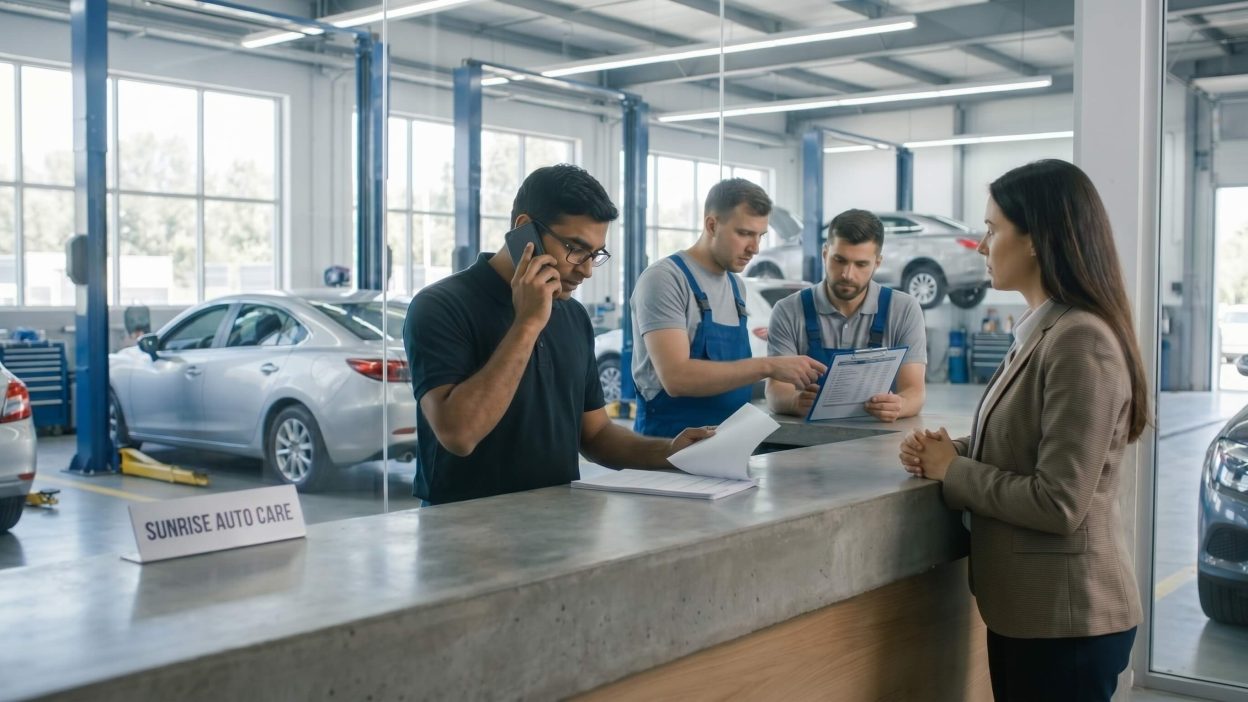
Garage Workflow Optimization is one of the most effective ways to improve productivity, reduce operational bottlenecks, and increase profitability in an automotive workshop. Even highly skilled technicians can struggle to deliver maximum efficiency when daily processes are disorganized or communication gaps exist between service advisors, technicians, and customers.
Modern garages face increasing customer expectations, tighter schedules, and growing competition. Workshop owners must ensure that every stage of the repair process runs smoothly, from appointment booking to vehicle delivery. Understanding Garage Workflow Optimization can help businesses complete more jobs, improve customer satisfaction, and maximize the use of available resources.
This guide explores practical strategies that garages can use to streamline daily operations and create a more efficient workshop environment.
Table of Contents
Why Workflow Optimization Matters for Garages
Before discussing Garage Workflow Optimization strategies, it is important to understand the impact workflow has on overall business performance. Inefficient workflows often result in repair delays, technician downtime, customer dissatisfaction, and lost revenue opportunities.
A well-structured workflow ensures that vehicles move through the workshop efficiently while technicians remain productive and customers stay informed throughout the service process.
Optimized operations help create a more profitable and customer-focused business.
1. Create a Clear Service Process
One of the most important Garage Workflow Optimization practices is establishing a standardized service process. Every vehicle should follow a consistent path from check-in to final delivery.
Having defined procedures reduces confusion, improves accountability, and helps staff work more efficiently.
Consistency allows workshops to maintain high service quality while reducing operational delays.
2. Improve Appointment Scheduling
Effective scheduling plays a critical role in Garage Workflow Optimization. Overbooking can overwhelm technicians, while underbooking results in wasted capacity.
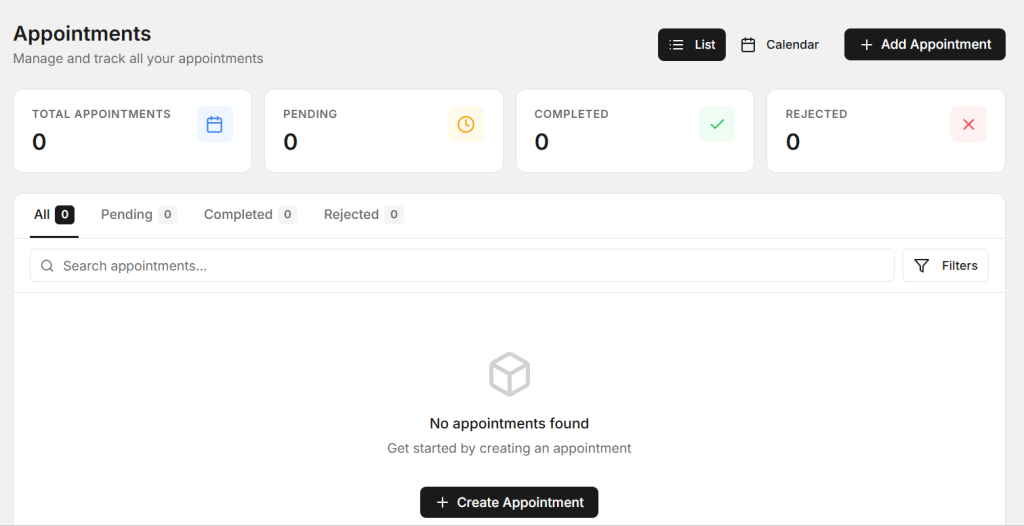
Balancing appointments based on technician availability and repair complexity helps maintain steady productivity throughout the day.
Well-managed schedules contribute to smoother daily operations.
3. Use Digital Job Cards
Digital job cards are becoming an essential tool for Garage Workflow Optimization because they eliminate many inefficiencies associated with paper-based systems.
Technicians can access repair details instantly, while service advisors can monitor progress and communicate updates more effectively.
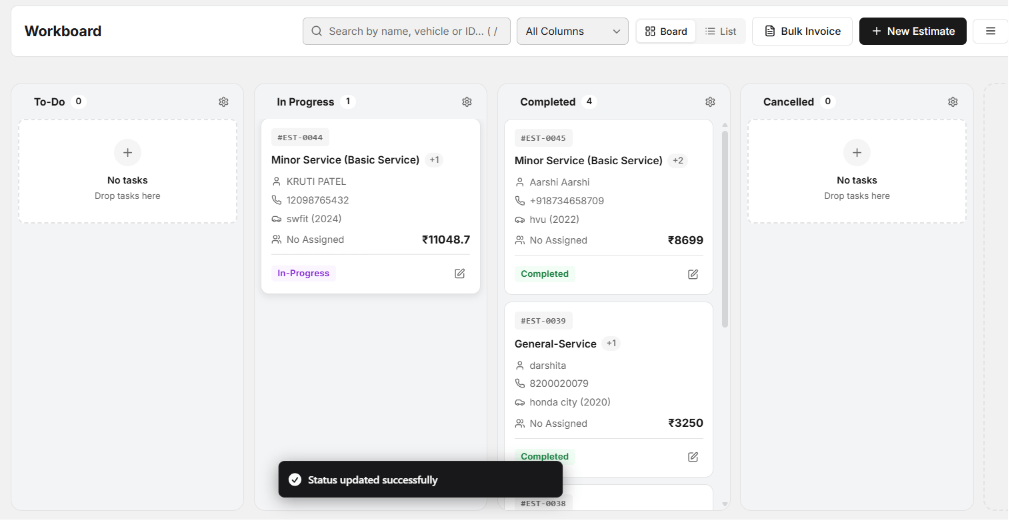
Faster information sharing improves coordination across the workshop.
4. Reduce Communication Gaps
Communication issues are a common obstacle to successful Garage Workflow Optimization. Delays often occur when technicians, service advisors, and customers do not receive timely information.
Establishing clear communication channels helps prevent misunderstandings and ensures repairs progress without unnecessary interruptions.
Better communication improves both productivity and customer satisfaction.
5. Optimize Parts Management
Inventory control is another key component of Garage Workflow Optimization. Missing parts can delay repairs and disrupt scheduling plans.
Maintaining accurate inventory records and monitoring stock levels helps workshops ensure that necessary parts are available when required.
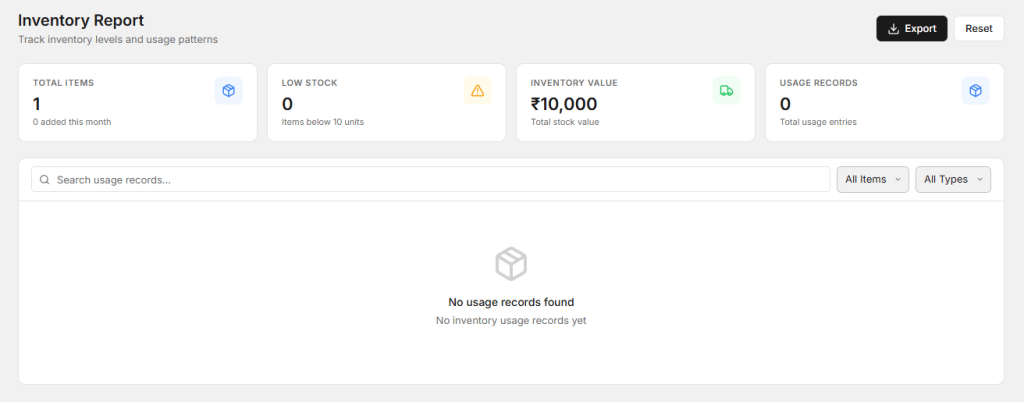
Efficient inventory management supports faster repair completion.
6. Track Technician Productivity
Monitoring technician performance is an important aspect of Garage Workflow Optimization. Understanding how time is spent during the repair process helps managers identify opportunities for improvement.
Tracking productivity metrics can reveal workflow bottlenecks and highlight areas where additional training or support may be beneficial.
Data-driven management contributes to greater efficiency.
7. Automate Customer Communication
Automated communication is a powerful strategy for Garage Workflow Optimization because it reduces administrative workload while keeping customers informed.
Appointment confirmations, repair updates, service reminders, and follow-up messages can all be automated to improve efficiency.
Consistent communication enhances the overall customer experience.
8. Reduce Customer No-Shows
Customer no-shows can disrupt schedules and negatively affect Garage Workflow Optimization efforts.
Using automated reminders through SMS, email, and WhatsApp helps customers remember appointments and reduces scheduling gaps.
Improved attendance rates contribute to better workshop utilization.
9. Monitor Repair Progress in Real Time
Real-time visibility is increasingly important for Garage Workflow Optimization. Managers need accurate information about active jobs, technician workloads, and repair status.
Monitoring progress allows workshop leaders to identify delays early and take corrective action before issues escalate.
Greater visibility improves operational control and efficiency.
10. Adopt Garage Management Software
Technology is one of the most impactful solutions for Garage Workflow Optimization. Modern garage management software centralizes scheduling, job tracking, invoicing, inventory management, and customer communication.
Automation reduces manual tasks and provides valuable operational insights that support better decision-making.
Digital systems help workshops scale efficiently while maintaining service quality.
How Autodots Supports Workflow Optimization
Autodots helps workshops improve operational efficiency through digital job cards, appointment scheduling, customer management, service reminders, and communication automation. The platform also supports SMS campaigns, email marketing, and WhatsApp communication, helping garages maintain stronger customer engagement while reducing administrative workload.
By connecting key workshop processes into a single system, garages can improve coordination and reduce operational bottlenecks.
A streamlined workflow enables teams to focus more on delivering excellent service and completing repairs efficiently.
Common Workflow Challenges in Garages
- Manual paperwork processes.
- Poor appointment scheduling.
- Inventory shortages.
- Customer no-shows.
- Communication delays.
- Technician downtime.
- Lack of process standardization.
- Limited visibility into repair progress.
Addressing these challenges can significantly improve workshop performance and customer satisfaction.
Benefits of Garage Workflow Optimization
- Higher technician productivity.
- Faster repair turnaround times.
- Improved customer satisfaction.
- Better appointment utilization.
- Reduced operational delays.
- Stronger team coordination.
- Increased profitability.
- Greater business scalability.
These benefits demonstrate why workflow optimization should be a priority for every automotive workshop.
Build a More Efficient Workshop Environment
Successful workshops understand that efficiency is not achieved through a single improvement. Instead, it requires continuous evaluation and optimization of daily processes.
Small workflow improvements implemented consistently can generate significant long-term results.
Learn More About Workshop Management and Growth
For additional workshop management insights, productivity strategies, and automotive business growth tips, visit the Autodots Blog.
Garages looking to increase visibility and attract more customers can also explore the Autodots Partner Program, where workshops can showcase their services and connect with vehicle owners.
Improve Daily Operations and Productivity
Improving workshop performance starts with better organization, communication, and technology adoption. Garages that invest in efficient workflows are better positioned to increase productivity and deliver superior customer experiences.
By focusing on process improvement and operational excellence, workshops can create sustainable growth opportunities while reducing unnecessary inefficiencies.
Frequently Asked Questions
What is garage workflow optimization?
Garage workflow optimization refers to improving workshop processes, communication, scheduling, and resource management to increase efficiency and productivity.
How do digital job cards improve workflow?
Digital job cards provide instant access to repair information, reduce paperwork, and improve communication between staff members.
Why is appointment scheduling important?
Effective scheduling helps balance workloads, improve technician utilization, and reduce operational bottlenecks.
Can garage management software improve workflow?
Yes. Modern software automates key processes, improves visibility, and helps workshops operate more efficiently.
How does customer communication affect workflow?
Clear communication helps obtain approvals quickly, reduce delays, and keep repairs moving smoothly.
Conclusion
Garage Workflow Optimization is essential for workshops that want to improve productivity, reduce delays, and enhance customer satisfaction. By implementing standardized processes, improving scheduling, leveraging digital job cards, optimizing inventory management, automating communication, and adopting modern garage management software, businesses can streamline daily operations and achieve sustainable growth. Investing in workflow optimization today can deliver long-term benefits for both workshop performance and customer experience.