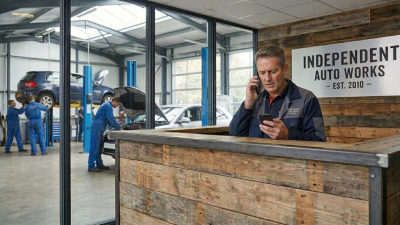
The automotive service industry is becoming increasingly digital, and workshops are adopting new technologies to improve efficiency, reduce paperwork, and enhance customer service. One of the most impactful innovations in recent years is the Digital Job Card System for Workshops. Traditional paper-based job cards often create challenges such as lost information, communication gaps, and administrative delays. Digital solutions help eliminate these issues while creating a more organized and productive workshop environment.
As customer expectations continue to evolve, workshops need faster and more accurate ways to manage repair jobs. A digital job card system centralizes vehicle information, repair details, technician assignments, and customer communication into a single platform. This improves workflow visibility and helps businesses deliver a more professional service experience.
Whether you operate a small independent garage or a large multi-bay workshop, adopting modern technology can provide significant operational advantages. Understanding the benefits of digital job card systems can help workshop owners make smarter decisions about their future growth.
Table of Contents
Why Workshops Are Moving Toward Digital Solutions
Managing repair jobs manually becomes increasingly difficult as service volumes grow. A Digital Job Card System for Workshops simplifies operations by replacing paperwork with real-time digital records that are accessible across the organization.
Instead of relying on handwritten notes and physical documents, workshop teams can update and track information instantly. This reduces errors, improves collaboration, and ensures that important details are never lost.
Digital workflows create greater transparency while helping workshops maintain consistency across daily operations.
1. Faster Job Creation and Processing
One of the biggest advantages of a Digital Job Card System for Workshops is the ability to create and manage repair orders quickly. Service advisors can enter customer information, vehicle details, and repair requirements directly into the system without relying on paper forms.
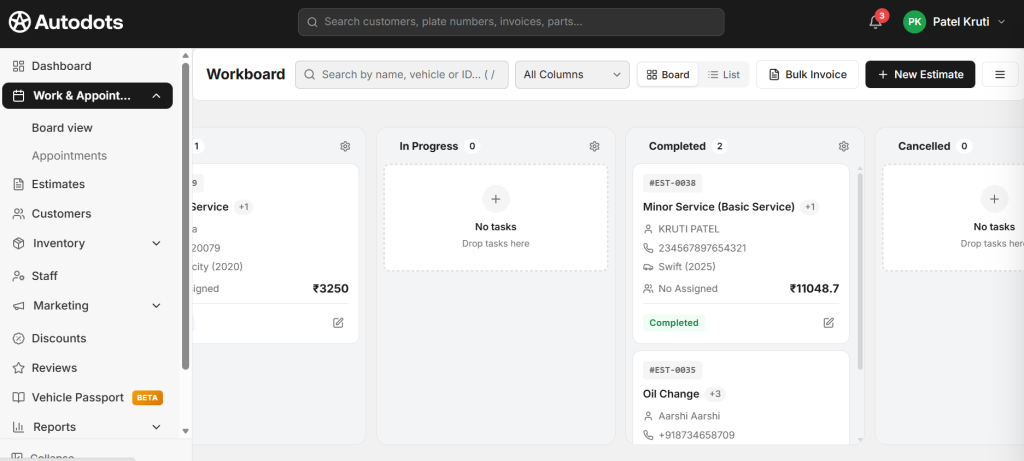
This speeds up the vehicle check-in process and reduces administrative effort. Technicians receive job information immediately, allowing work to begin without unnecessary delays.
Faster job processing improves workshop productivity and helps businesses handle a higher volume of vehicles efficiently.
2. Improved Communication Between Teams
Effective communication is critical for successful workshop operations. A Digital Job Card System for Workshops provides a centralized platform where service advisors, technicians, and managers can access the same information in real time.
Instead of relying on verbal updates or handwritten notes, teams can review repair progress, inspection findings, and service recommendations through the system. This reduces misunderstandings and improves workflow coordination.
Better communication contributes directly to improved service quality and operational consistency.
3. Enhanced Customer Service Experience
Modern customers expect transparency and regular updates throughout the repair process. A Digital Job Card System for Workshops helps service teams provide accurate information regarding repair status, service recommendations, and completion timelines.
When customers receive timely updates, they feel more informed and confident about the services being performed. This improves trust and strengthens long-term customer relationships.
Satisfied customers are also more likely to return for future maintenance and recommend the workshop to others.
4. Better Job Tracking and Visibility
Tracking multiple vehicles simultaneously can become challenging without proper systems in place. A Digital Job Card System for Workshops provides real-time visibility into every active repair job within the workshop.
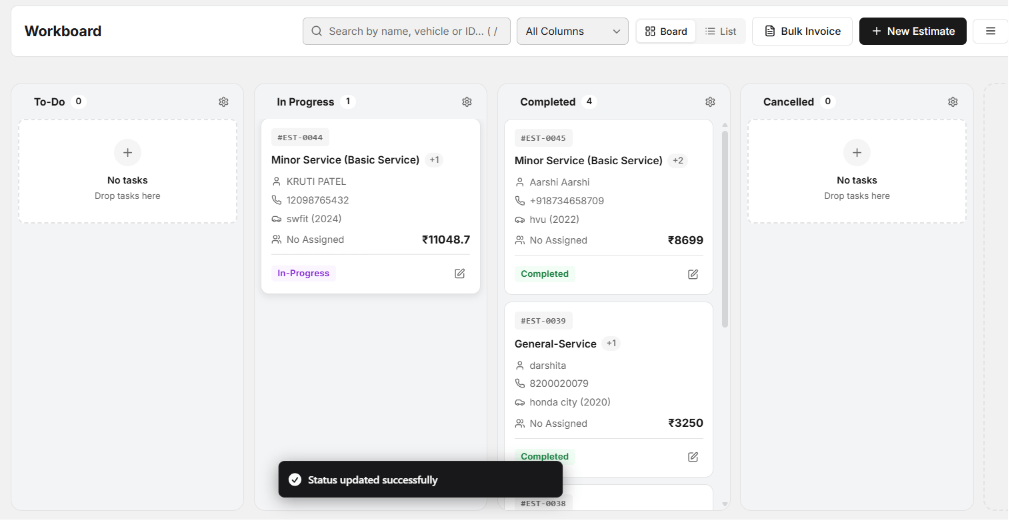
Managers can monitor repair progress, identify delays, and allocate resources more effectively. This helps maintain productivity while ensuring that customer vehicles are serviced on schedule.
Improved visibility allows workshops to make proactive decisions and avoid workflow bottlenecks.
5. Reduced Errors and Improved Accuracy
Paper-based job cards are often prone to mistakes caused by illegible handwriting, missing information, or misplaced documents. A Digital Job Card System for Workshops minimizes these risks by standardizing data entry and maintaining centralized records.
Accurate information helps technicians perform repairs correctly while reducing the likelihood of misunderstandings or incomplete work orders.
Improved accuracy also contributes to better customer satisfaction and stronger operational reliability.
6. Easier Access to Service History
Maintaining detailed service records is important for both operational efficiency and customer service. A Digital Job Card System for Workshops stores vehicle histories, previous repairs, inspection reports, and customer interactions in one accessible location.
Service advisors can quickly review past work and make informed recommendations based on vehicle history. Technicians also benefit from having access to relevant repair information before beginning work.
Comprehensive service records improve decision-making and support a more personalized customer experience.
7. Supports Workshop Growth and Scalability
As businesses expand, operational complexity increases. A Digital Job Card System for Workshops provides the structure needed to manage larger workloads while maintaining consistency and efficiency.
Standardized digital processes make it easier to onboard new employees, coordinate multiple teams, and maintain service quality across the organization.
For growing workshops, digital systems provide a scalable foundation that supports long-term success and operational control.
Additional Benefits of Digital Job Card Technology
- Reduced paperwork and administrative effort.
- Improved technician productivity.
- Faster repair turnaround times.
- Better customer communication.
- Enhanced workflow transparency.
- Improved accountability across departments.
- More organized workshop operations.
- Greater operational efficiency.
These advantages help workshops create a more professional environment while improving both employee performance and customer satisfaction.
How Technology Is Shaping Modern Workshops
The automotive service industry continues to evolve as businesses adopt digital tools to improve efficiency and customer experiences. Customers increasingly expect modern service processes, including digital inspections, real-time updates, and transparent communication.
Workshops that embrace digital transformation are better positioned to meet these expectations while improving internal operations. Technology helps eliminate inefficiencies and allows teams to focus on delivering high-quality service.
As competition grows, digital solutions will continue to play a critical role in workshop success and long-term profitability.
Choosing the Right Digital Solution
When evaluating workshop technology, it is important to choose a platform that includes a robust Digital Job Card System for Workshops along with scheduling, customer communication, reporting, and workflow management features.
The ideal solution should be easy to use, scalable, and capable of adapting to future business needs. User adoption is equally important, so selecting a platform with an intuitive interface can maximize long-term value.
Investing in the right technology helps workshops improve efficiency while creating a strong foundation for growth.
Call to Action
If your workshop wants to reduce paperwork, improve communication, and increase operational efficiency, implementing a Digital Job Card System for Workshops can be a valuable step toward modernization. Digital workflows help businesses operate more efficiently while delivering a better experience for both employees and customers.
For more workshop growth strategies and automotive technology insights, visit the Autodots Blog.
Businesses looking to expand their network and unlock new opportunities can explore the Autodots Partner Program.
Frequently Asked Questions
What is a digital job card system?
A digital job card system replaces traditional paper-based repair orders with electronic records that can be updated, tracked, and accessed in real time.
How does a digital job card improve workshop efficiency?
It reduces paperwork, improves communication, streamlines workflows, and provides better visibility into repair progress and operational performance.
Can small workshops benefit from digital job card systems?
Yes. Small garages often experience improved organization, productivity, and customer communication after adopting digital job card technology.
Does digital record keeping improve customer service?
Absolutely. Digital records provide quick access to service histories and allow workshops to deliver more accurate information and personalized recommendations.
Why are workshops moving away from paper job cards?
Paper-based systems can create errors, delays, and communication issues. Digital systems provide greater accuracy, efficiency, and operational visibility.
Conclusion
The adoption of a Digital Job Card System for Workshops is transforming how modern garages operate. By improving communication, reducing errors, increasing visibility, and streamlining workflows, digital job card systems help workshops deliver better customer experiences while improving overall efficiency. As the automotive industry continues to evolve, investing in digital solutions can provide a significant competitive advantage and support long-term business growth.