Running a profitable automotive workshop is becoming increasingly challenging. Rising labor expenses, growing customer expectations, inventory costs, and operational inefficiencies can quickly impact profit margins. While many workshop owners focus on increasing revenue, reducing waste and improving efficiency often delivers faster and more sustainable results.
This is where lean workshop practices can make a significant difference. Originally developed to improve manufacturing efficiency, lean principles are now widely used across many industries, including automotive repair. The goal is simple: eliminate activities that do not add value while improving productivity, quality, and customer satisfaction.
By implementing lean workshop practices, garages can reduce operational costs, streamline workflows, and create a more efficient business without sacrificing service quality.
Table of Contents
What Are Lean Workshop Practices?
Lean methodology focuses on maximizing value while minimizing waste. In a workshop environment, waste can take many forms, including wasted time, unnecessary movement, excess inventory, communication delays, and inefficient processes.
Effective lean workshop practices help identify these inefficiencies and replace them with more productive workflows.
The Core Objectives of Lean Operations
- Reduce waste
- Improve productivity
- Increase efficiency
- Enhance customer satisfaction
- Optimize resource utilization
- Support continuous improvement
These objectives help workshops operate more effectively while controlling costs.
Identify and Eliminate Operational Waste
The first step in implementing lean workshop practices is identifying activities that consume resources without creating value for customers.
Many workshops experience waste every day without realizing it.
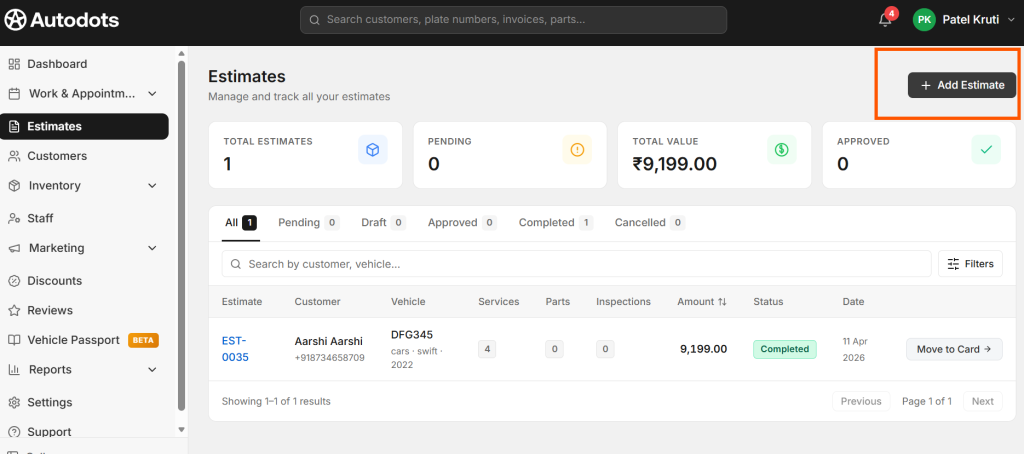
Common Sources of Waste
- Searching for tools or parts
- Waiting for approvals
- Duplicate paperwork
- Poor communication
- Excess inventory
- Unnecessary technician movement
Reducing these inefficiencies creates immediate productivity improvements.
Organize the Workplace for Efficiency
A well-organized workshop reduces wasted time and helps technicians perform their jobs more efficiently.
One of the most effective lean workshop practices is ensuring that tools, equipment, and materials are easily accessible.
Organization Strategies
- Designated tool storage areas
- Clearly labeled workstations
- Standardized layouts
- Regular housekeeping routines
- Efficient equipment placement
Small improvements in organization often lead to significant productivity gains.
Improve Workflow Visibility
Many operational delays occur because workshop teams lack visibility into job status, priorities, or resource availability.
Successful lean workshop practices emphasize transparency throughout the repair process.
Benefits of Better Visibility
- Faster decision-making
- Improved coordination
- Reduced bottlenecks
- Enhanced accountability
- More predictable workflows
When everyone understands priorities and responsibilities, productivity improves naturally.
Reduce Unnecessary Inventory Costs
Inventory management plays a major role in workshop profitability. Excess stock ties up cash, while shortages can delay repairs and frustrate customers.
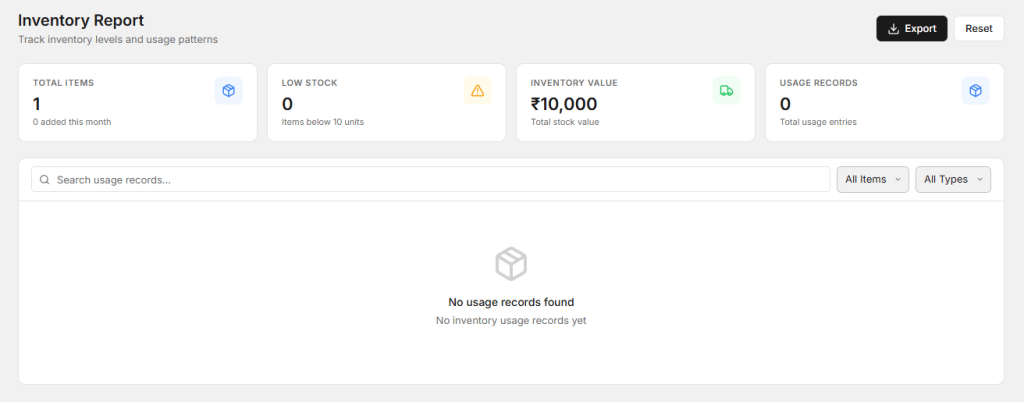
A key aspect of lean workshop practices is maintaining the right balance between availability and efficiency.
Inventory Improvement Tips
- Monitor stock levels regularly
- Track usage patterns
- Reduce obsolete inventory
- Improve purchasing accuracy
- Review supplier performance
Better inventory control helps reduce costs without compromising service quality.
Standardize Repetitive Processes
Consistency is essential for efficiency. Workshops often lose time when employees perform the same task differently.
Implementing standardized procedures is one of the most practical lean workshop practices available.
Processes Worth Standardizing
- Vehicle inspections
- Customer check-in procedures
- Repair documentation
- Quality control checks
- Customer communication workflows
Standardization reduces confusion and improves service consistency.
Empower Technicians to Suggest Improvements
Technicians work directly with workshop processes every day and often identify inefficiencies before management notices them.
A successful lean culture encourages employees to contribute ideas that support continuous improvement.
Many effective lean workshop practices originate from team members who understand operational challenges firsthand.
Benefits of Team Involvement
- Increased engagement
- Better problem-solving
- Improved morale
- Stronger process ownership
- Ongoing efficiency improvements
Use Data to Drive Continuous Improvement
Lean operations rely on measurable performance indicators. Without reliable data, it is difficult to identify inefficiencies or evaluate progress.
Modern lean workshop practices often include performance monitoring to support informed decision-making.
Important Metrics to Track
- Technician productivity
- Vehicle turnaround time
- Appointment completion rates
- Customer retention
- Service volume
- Operational efficiency
Tracking these metrics helps workshops identify opportunities for further improvement.
How Digital Tools Support Lean Operations
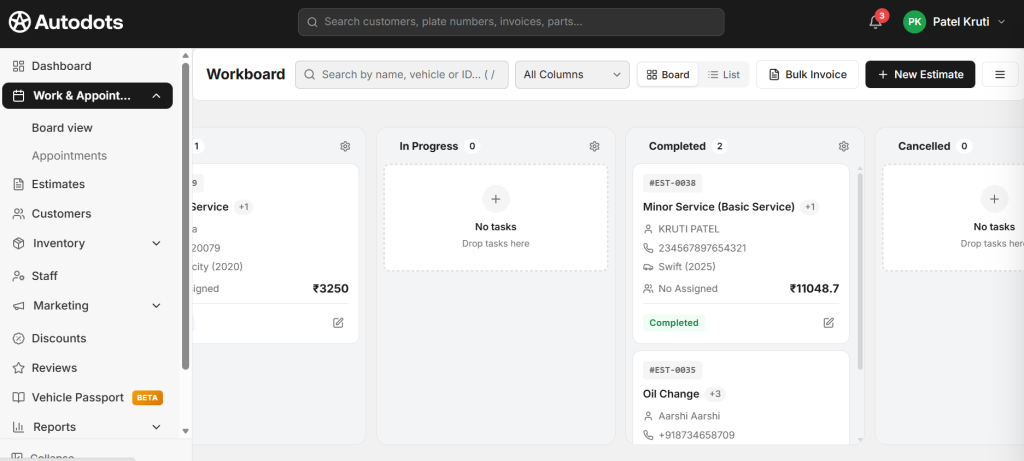
Technology plays an increasingly important role in modern workshop management. Digital systems help reduce manual work, improve communication, and provide greater operational visibility.
Many businesses strengthen their lean workshop practices by adopting digital workflow solutions.
Digital Benefits
- Reduced paperwork
- Real-time job tracking
- Improved scheduling
- Enhanced reporting
- Better customer communication
- Centralized information management
These capabilities help eliminate inefficiencies that increase operational costs.
How Autodots Helps Workshops Operate Leaner
Autodots provides tools that support efficient workshop management through digital job cards, appointment scheduling, workflow tracking, customer management, service histories, and business reporting.
By improving visibility and reducing administrative burdens, Autodots helps businesses implement lean workshop practices more effectively.
Workshop owners gain better control over daily operations while identifying opportunities to improve efficiency and reduce waste.
For additional workshop management insights, visit the Autodots Blog.
Signs Your Workshop Could Benefit from Lean Practices
Many garages already experience symptoms of operational inefficiency without recognizing the underlying causes.
Common Warning Signs
- Frequent workflow delays
- Excessive paperwork
- Inventory challenges
- Technician downtime
- Customer communication issues
- Inconsistent service processes
If these challenges occur regularly, adopting lean workshop practices may help improve performance.
Frequently Asked Questions (FAQs)
What are lean workshop practices?
Lean workshop practices are methods designed to eliminate waste, improve efficiency, and increase productivity within automotive service operations.
How do lean methods reduce operational costs?
They help eliminate unnecessary activities, improve resource utilization, and streamline workflows.
Can small workshops implement lean practices?
Yes. Lean principles can benefit workshops of all sizes.
What types of waste are common in workshops?
Common examples include waiting time, unnecessary movement, excess inventory, paperwork, and communication delays.
Why is workflow visibility important?
Greater visibility improves coordination, reduces bottlenecks, and supports faster decision-making.
How does technology support lean operations?
Digital tools reduce manual work, improve organization, and provide real-time operational insights.
Conclusion
Reducing operational costs does not always require cutting resources or increasing workloads. Often, the most effective solution is eliminating inefficiencies that consume time, money, and effort.
By implementing lean workshop practices, garage owners can improve productivity, reduce waste, streamline workflows, and build a more profitable business. Small improvements made consistently can create significant long-term results.
To support lean operations and modernize workshop management, explore Autodots Garage Management Solutions and take the next step toward a more efficient and cost-effective workshop.