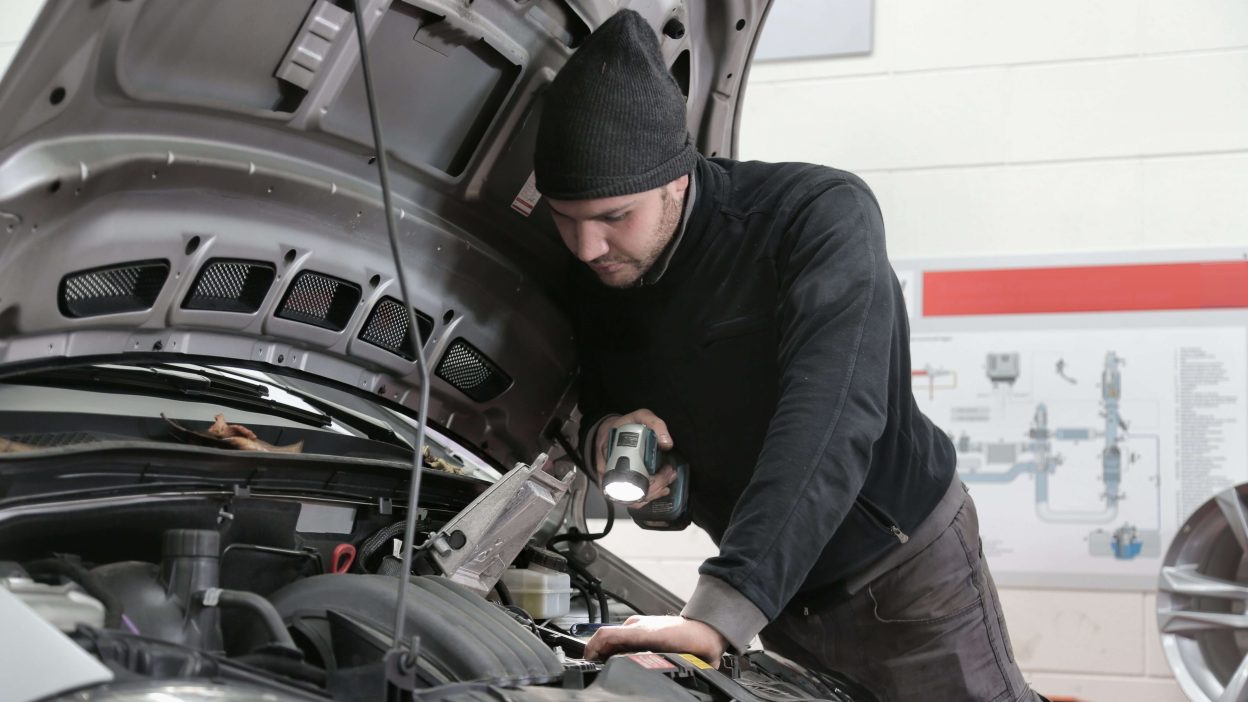
Hybrid vehicles are no longer a niche segment of the automotive market. As fuel efficiency, environmental awareness, and evolving vehicle technologies continue to shape consumer choices, more drivers are purchasing hybrid vehicles than ever before. For independent workshops, this shift presents a valuable opportunity—but only for those prepared to adapt.
Understanding hybrid car maintenance for mechanics has become essential in 2026. While hybrids share many components with traditional vehicles, they also include advanced electrical systems, high-voltage batteries, regenerative braking technology, and specialized diagnostic requirements.
Independent mechanics who develop expertise in hybrid car maintenance for mechanics can expand their service offerings, attract new customers, and position their workshops for long-term success.
Table of Contents
Why Hybrid Vehicles Require Specialized Attention
Hybrid vehicles combine an internal combustion engine with an electric motor and battery system. This dual-power setup improves fuel efficiency while reducing emissions.
Although many maintenance procedures remain familiar, effective hybrid car maintenance for mechanics requires understanding how electrical and mechanical systems work together.
Key Hybrid Components
- High-voltage battery pack
- Electric motor
- Power control unit
- Regenerative braking system
- Cooling systems
- Internal combustion engine
Each component plays a critical role in vehicle performance and reliability.
Safety Comes First
One of the most important aspects of hybrid car maintenance for mechanics is safety. Hybrid vehicles contain high-voltage systems that require proper handling procedures.
Technicians should always follow manufacturer recommendations and established safety protocols when working on hybrid systems.
Important Safety Practices
- Wear appropriate personal protective equipment
- Follow lockout procedures when required
- Use insulated tools when necessary
- Verify system shutdown before repairs
- Understand high-voltage warning labels
- Maintain a safe work environment
Proper safety training reduces risks and improves service quality.
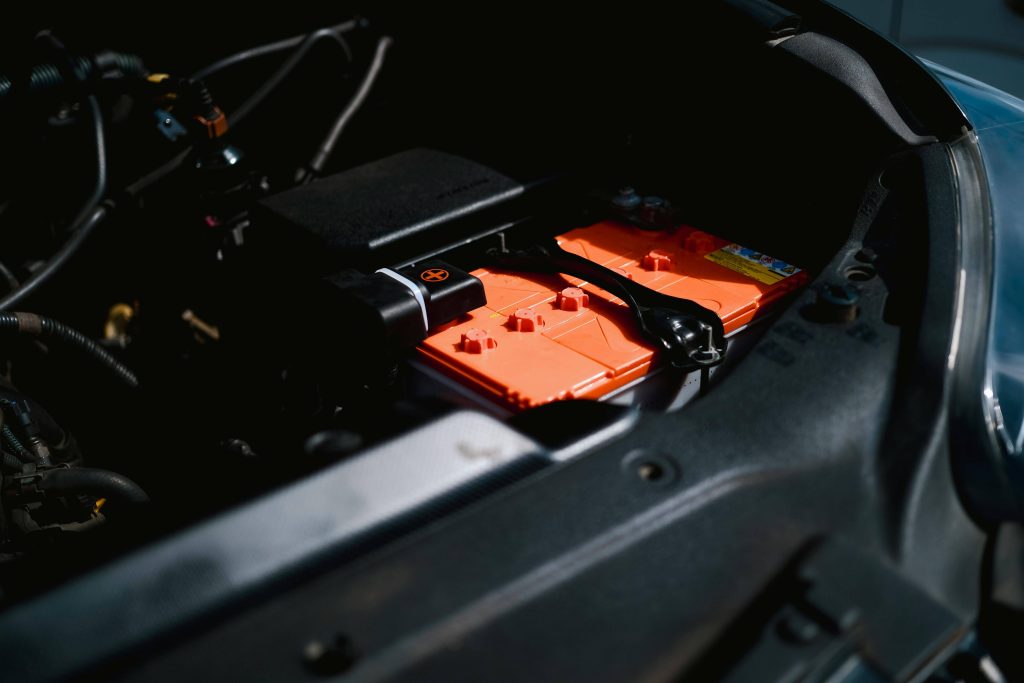
Battery Health Inspections
The battery pack is one of the most critical components in a hybrid vehicle. Regular inspections help identify potential issues before they affect vehicle performance.
A key part of hybrid car maintenance for mechanics is monitoring battery condition and overall system health.
What to Inspect
- Battery performance indicators
- Cooling system operation
- Electrical connections
- Signs of overheating
- Diagnostic trouble codes
- Charging efficiency
Early detection helps prevent more serious and costly repairs.
Understanding Regenerative Braking Systems
Hybrid vehicles use regenerative braking technology to recover energy during deceleration and help recharge the battery.
Because regenerative braking reduces wear on traditional braking components, inspection procedures may differ from those used on conventional vehicles.
Successful hybrid car maintenance for mechanics includes understanding how regenerative systems interact with standard brake components.
Inspection Areas
- Brake pad condition
- Brake rotor wear
- Brake fluid quality
- Electronic braking components
- Regenerative system performance
Cooling System Maintenance
Many hybrid vehicles use dedicated cooling systems to regulate battery and electrical component temperatures.
Overheating can negatively affect performance and longevity, making cooling system inspections an important part of hybrid car maintenance for mechanics.
Cooling System Checks
- Coolant condition
- Coolant levels
- Cooling fan operation
- Hoses and connections
- System efficiency
Regular maintenance helps protect sensitive hybrid components.
Diagnostic Tools Are More Important Than Ever
Modern hybrid vehicles rely heavily on electronic control systems. Effective diagnosis often requires specialized tools capable of accessing hybrid-specific data.
Investing in proper equipment is a crucial aspect of hybrid car maintenance for mechanics.
Benefits of Advanced Diagnostics
- Faster fault identification
- More accurate repairs
- Improved service efficiency
- Better customer confidence
- Reduced troubleshooting time
Accurate diagnostics support both productivity and profitability.
Routine Maintenance Still Matters
Although hybrid vehicles include advanced technology, they still require many of the same maintenance services as conventional vehicles.
Effective hybrid car maintenance for mechanics includes monitoring traditional wear items alongside electrical systems.
Routine Services
- Tire inspections
- Wheel alignments
- Suspension checks
- Fluid inspections
- Filter replacements
- General vehicle inspections
Balancing traditional maintenance with hybrid-specific expertise creates a complete service approach.
Common Hybrid Vehicle Problems
As hybrid vehicles age, certain issues become more common.
Independent workshops specializing in hybrid car maintenance for mechanics should be familiar with these challenges.
- Battery degradation
- Cooling system issues
- Sensor failures
- Electrical connection problems
- Power management faults
- Diagnostic warning indicators
Understanding these concerns improves troubleshooting efficiency.
Why Independent Workshops Should Embrace Hybrid Services
Hybrid vehicle ownership continues to increase globally. Drivers need qualified service providers who understand these vehicles and can deliver reliable maintenance solutions.
By expanding expertise in hybrid car maintenance for mechanics, independent workshops can:
- Attract new customers
- Increase service opportunities
- Differentiate from competitors
- Prepare for future industry trends
- Strengthen workshop reputation
Hybrid expertise can become a significant competitive advantage.
How Autodots Supports Hybrid Vehicle Workflows
Autodots helps workshops manage complex repair workflows through digital job cards, appointment scheduling, customer records, service histories, workflow tracking, and reporting tools.
As hybrid vehicle servicing becomes more common, Autodots supports efficient hybrid car maintenance for mechanics by improving visibility, organization, and communication throughout the repair process.
Digital workflow management helps workshops maintain consistency while handling increasingly sophisticated vehicle technologies.
For more automotive service insights, visit the Autodots Blog.
Frequently Asked Questions (FAQs)
What is hybrid car maintenance?
Hybrid car maintenance involves servicing both traditional mechanical systems and specialized hybrid components such as batteries and electrical systems.
Can independent mechanics service hybrid vehicles?
Yes. With proper training, safety procedures, and diagnostic equipment, independent workshops can successfully service hybrid vehicles.
How often should hybrid batteries be inspected?
Battery inspections should be performed as part of regular maintenance schedules and whenever performance concerns arise.
Are hybrid vehicles more difficult to repair?
They require additional knowledge and safety awareness, but many maintenance procedures remain similar to conventional vehicles.
Why is diagnostic equipment important?
Modern hybrid systems rely heavily on electronics, making accurate diagnostics essential for efficient repairs.
Is hybrid vehicle demand increasing?
Yes. Hybrid adoption continues to grow as consumers seek greater fuel efficiency and lower emissions.
Conclusion
The rise of hybrid vehicles presents a major opportunity for independent workshops willing to expand their capabilities. Developing expertise in hybrid car maintenance for mechanics allows technicians to meet growing customer demand while preparing for the future of automotive service.
By focusing on safety, diagnostics, battery health, cooling systems, and preventive maintenance, workshops can confidently service hybrid vehicles and strengthen their competitive position in 2026 and beyond.
To improve workshop organization and support advanced vehicle servicing, explore Autodots Garage Management Solutions and build a more efficient, future-ready operation.