Tata Sierra EV servicing is going to be one of the most searched topics among Indian garage owners in the second half of 2026. With Tata Motors confirming the Sierra EV launch between July and September 2026, workshops across India need to start preparing right now — before the first Sierra EV rolls into their bay.
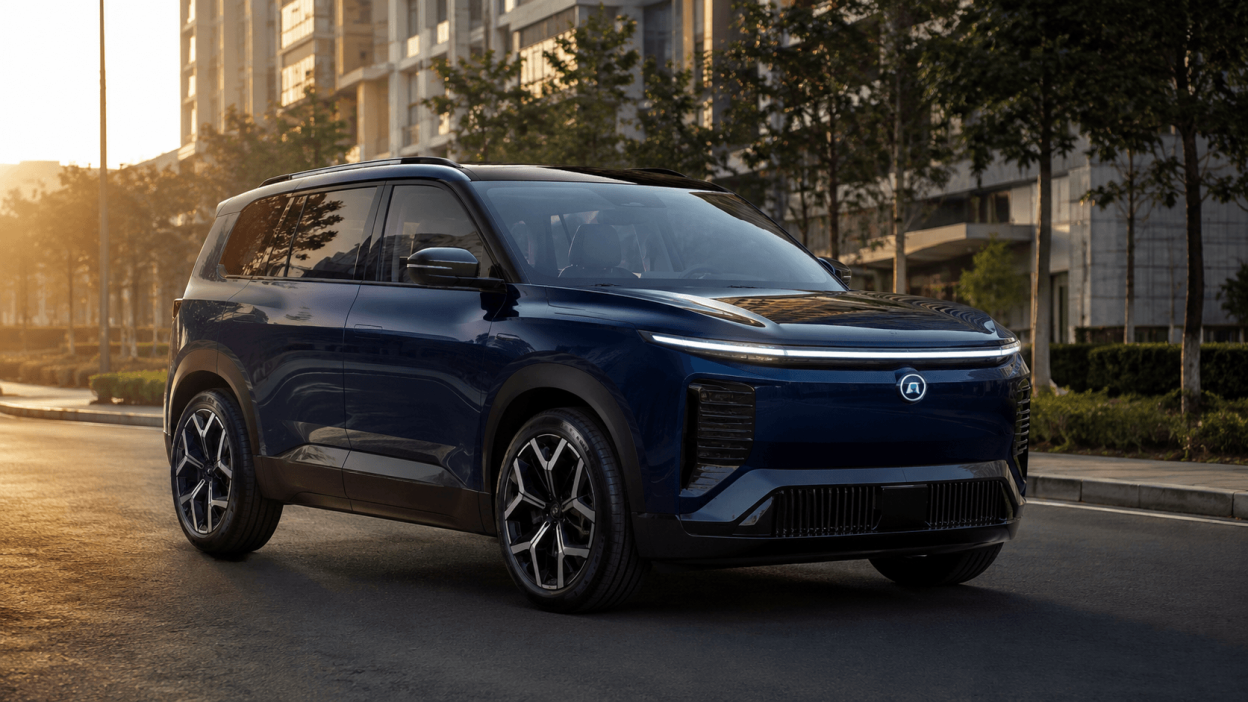
The Sierra EV is not just another electric car. It is a premium lifestyle SUV built on Tata’s advanced Acti.ev+ platform, available with 55 kWh and 65 kWh battery packs, dual-motor AWD, and a claimed real-world range of 400 to 450 kilometres. Servicing this vehicle requires a different approach, different tools, and a different mindset from what most garages are used to with petrol and diesel SUVs.
This guide covers everything your workshop needs to know about Tata Sierra EV servicing — from battery maintenance and high-voltage safety to the tools you need and how Autodots can help you manage EV jobs professionally from day one.
Table of Contents
Why Tata Sierra EV Servicing Is Different From Petrol SUV Maintenance
Electric vehicles like the Sierra EV have significantly fewer moving parts than petrol or diesel SUVs. There is no engine oil, no timing belt, no exhaust system, no clutch, and no fuel filter to worry about. This does not mean less work for your garage — it means different work.
The Sierra EV runs on a high-voltage electrical system operating between 350V and 800V depending on the variant. Working on this system without proper training and equipment is not just ineffective — it is genuinely dangerous. Garages that want to capture EV service revenue need to invest in the right setup before the first electric SUV arrives.
What Changes in an Electric SUV Service Compared to Petrol
- No engine oil service — replaced by battery health checks
- No exhaust or fuel system maintenance
- Regenerative braking means brake pads last 2 to 3 times longer than on petrol vehicles
- Tyres wear faster due to higher vehicle weight and instant torque delivery
- Cooling system for battery pack requires periodic inspection
- Software updates replace many traditional mechanical adjustments
- High-voltage safety protocols required before any underbody work
Tata Sierra EV Key Specifications — What Your Workshop Is Dealing With
Before your team works on any electric SUV, understanding the vehicle’s technical profile is essential. Here is what the Sierra EV brings to your service bay:
| Specification | Details |
|---|---|
| Platform | Tata Acti.ev+ architecture |
| Battery Options | 55 kWh and 65 kWh |
| Claimed Range | 500–600 km | Real-world: 400–450 km |
| Drivetrain | FWD standard | Dual-Motor AWD available |
| Expected Price | ₹20–25 lakh ex-showroom |
| Launch Timeline | July–September 2026 |
| Special Feature | V2V charging — can charge other EVs |
| Competitors | Hyundai Creta EV, Mahindra BE 6, Maruti e-Vitara |
Essential Tools Your Garage Needs for EV Servicing in 2026
Preparing your workshop for electric SUV maintenance requires a specific set of tools and safety equipment. Most of these are one-time investments that will serve your garage across all EV brands — not just Tata.
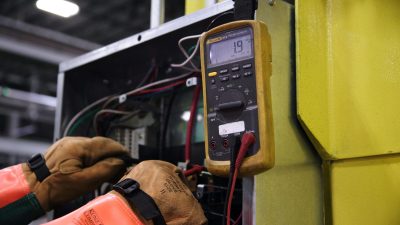
High-Voltage Safety Equipment — Non-Negotiable for EV Workshops
- Insulated gloves — Class 0 minimum — rated for 1000V AC / 1500V DC
- High-voltage insulated hand tools — screwdrivers, spanners, pliers rated 1000V+
- HV interlock safety switches — to isolate the battery before any underbody work
- Insulated floor mats — for the service bay where EV work takes place
- Thermal imaging camera — detects battery hotspots and cooling system issues
Diagnostic and Battery Tools for Electric Vehicle Maintenance
- EV-compatible OBD diagnostic scanner — reads battery management system data, motor faults, and regenerative braking codes
- Battery state-of-health tester — measures actual capacity vs original capacity to advise customers on battery condition
- DC fast charger compatibility checker — verifies the vehicle’s charging port and onboard charger are functioning correctly
- Insulation resistance tester (Megger) — detects electrical leakage in the high-voltage system
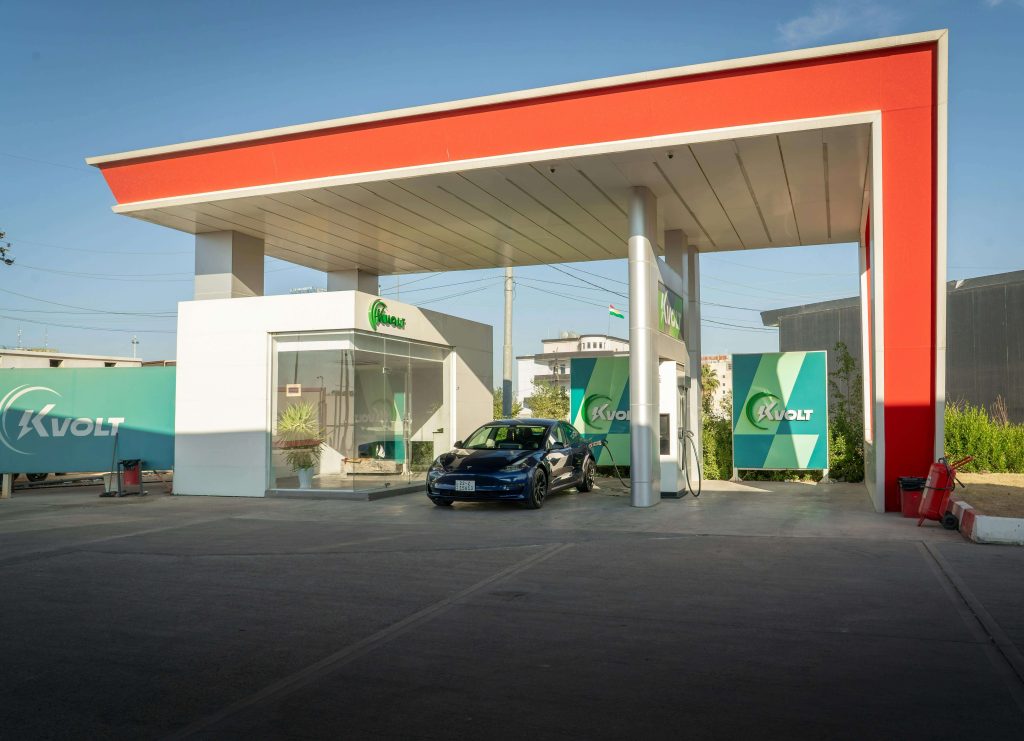
General Workshop Upgrades for Handling Premium Electric SUVs
- EV-rated floor jack and stands — standard jacks can damage battery pack housings on low-floor EVs
- Wheel alignment system with EV weight calibration — heavier battery packs affect alignment settings differently
- Type 2 AC charging point in the workshop — for charging vehicles during overnight storage or extended jobs
Regular Maintenance Checklist for the Tata Sierra EV
While electric vehicles need fewer consumable replacements, they still require regular professional attention. Here is a practical maintenance schedule your workshop can follow for the Sierra EV and similar Tata electric SUVs:
Every 10,000 km or 6 Months — Standard EV Service Interval
- Tyre rotation and pressure check — EVs wear tyres faster due to weight and torque
- Brake fluid inspection — less frequent replacement but still essential
- Brake pad and disc visual inspection
- Cabin air filter replacement
- Wiper blade and washer fluid check
- Battery cooling system hose and connection inspection
- Underbody inspection for battery pack damage — especially after monsoon driving
Every 40,000 km or 2 Years — Major EV Service Points
- Battery state-of-health diagnostic test
- Brake fluid replacement
- Coolant system flush for battery thermal management circuit
- Full high-voltage system insulation resistance test
- Software update check — confirm latest firmware is installed
- Suspension and steering component inspection — heavier vehicle weight accelerates wear
V2V Charging System Check — Sierra EV Specific
The Sierra EV’s Vehicle-to-Vehicle charging feature — where the car can act as a mobile power source to charge another stranded EV — requires its own periodic inspection. The V2V port, cable connector, and discharge management software should be tested during every major service to ensure the system functions safely when the customer needs it.
High-Voltage Safety Protocol — What Every Technician Must Follow
Working on an electric SUV without following proper high-voltage safety procedures is the single biggest risk for any workshop moving into EV maintenance. A voltage of 400V DC — which is standard in most EVs — can cause fatal injury within milliseconds of contact.
Mandatory Steps Before Any Underbody or Electrical Work on EV
- Turn the vehicle completely off and remove the key fob from the service bay
- Wait a minimum of 5 minutes after shutdown before touching any electrical component
- Locate and disconnect the manual service disconnect — the orange plug that isolates the high-voltage battery
- Verify zero voltage using an insulation resistance tester before proceeding
- Put on Class 0 insulated gloves before touching any orange-cable component
- Place warning signage on the vehicle — “HV System Isolated — Do Not Reconnect”
- Only allow trained technicians to work on or near the high-voltage system
Investing in one certified EV safety training day for your lead technician — available from Tata Motors authorised centres and independent EV training providers — pays for itself immediately when the first premium electric SUV enters your workshop.
Battery Health — The Most Important Conversation With Every EV Customer
For owners of premium electric SUVs, battery health is the single biggest concern. A battery state-of-health reading below 80% triggers anxiety about range, resale value, and warranty coverage. Your garage can build enormous trust and loyalty by offering a professional battery health diagnostic as part of every Sierra EV service.
What to Tell Customers About Maintaining Sierra EV Battery Health
- Avoid charging to 100% daily — charge to 80% for everyday use, 100% only before long journeys
- Avoid letting the battery drop below 10% regularly — deep discharge accelerates degradation
- Use DC fast charging sparingly — frequent fast charging generates heat that degrades cells over time
- Park in shade during peak summer months — high ambient temperatures accelerate battery degradation
- Use the scheduled charging feature to charge during cooler night hours when possible
Garages that educate customers on battery care at every service build a loyal EV customer base that returns every service interval without needing reminders — and recommends the workshop to every EV owner they know.
How Autodots Helps Garages Manage Tata sierra EV Servicing Professionally
Managing Tata Sierra EV servicing and other electric vehicle jobs alongside regular petrol and diesel work requires a proper digital system — not paper job cards and WhatsApp groups. When a customer brings in their Sierra EV, your team needs to track battery state-of-health readings, record software update versions, note parts replaced, and generate a professional invoice — all from one place.
What Autodots Does for Your EV Service Workflow
- Digital job cards — create EV-specific service job cards with battery health readings, software versions, and HV system notes recorded permanently
- Vehicle Passport — complete EV service history stored against every vehicle forever — customers see their battery health trend across every visit
- One-click invoicing — EV service invoice generated automatically from the job card, parts used and labour captured accurately every time
- Automated WhatsApp updates — customer receives real-time updates when their Sierra EV is checked in, being serviced, and ready for collection
- Service reminders — automatic reminders sent to EV owners at their next recommended service interval — no manual follow-up needed
- Marketplace listing — your garage appears on the Autodots marketplace where EV owners in your city search for trusted service workshops daily
As EV ownership grows across India in 2026, garages listed on Autodots that offer verified EV servicing will receive a significant volume of new customer bookings from Sierra EV, Creta EV, Nexon EV, and Mahindra BE 6 owners searching for workshops they can trust.
👉 Register your garage free today → autodots.io/partners
Is Your Garage Ready for the EV Revolution in 2026?
The garages that invest in EV readiness now — before the Sierra EV and other premium electric SUVs flood the market — will capture a significant competitive advantage over workshops that wait and react. EV owners are early adopters who research extensively, value professionalism highly, and are intensely loyal to workshops that demonstrate genuine EV expertise.
Getting ready does not require a complete workshop overhaul. Start with the essential safety tools, one trained technician, an EV service checklist, and a digital management system that tracks every job with the accuracy that premium EV customers expect.
The tata Sierra EV servicing launches in July 2026. That gives your garage less than two months to get ready. Start today.
👉 Set up your garage on Autodots free → autodots.io/partners
Frequently Asked Questions
When is the Tata Sierra EV servicing launching in India?
Tata Motors has confirmed the Sierra EV will launch between July and September 2026, positioning it above the Curvv EV and below the Harrier EV in their electric SUV lineup.
What is the expected price of the tata Sierra EV servicing?
Industry estimates place the Sierra EV between ₹20 lakh and ₹25 lakh ex-showroom, with the dual-motor AWD variant expected at the higher end of that range.
Do independent garages need special certification to work on EVs?
Tata Motors authorised service centres handle warranty repairs, but independent garages can legally service EVs for non-warranty work. Investing in one certified high-voltage safety training course for your lead technician is strongly recommended before working on any EV high-voltage system.
How often does an electric SUV need servicing compared to petrol?
Electric SUVs generally require fewer service visits than petrol vehicles — typically every 10,000 km or 6 months for standard checks, and every 40,000 km for major service points. However, battery health diagnostics and software updates add new service touchpoints that petrol vehicles do not have.
How can a garage attract EV owners as customers?
Listing your garage on the Autodots marketplace with EV servicing listed as a service category is one of the fastest ways to attract EV owners searching for trusted workshops in your city. Combined with proper tools, trained technicians, and digital job tracking, your garage becomes the go-to EV service destination in your area.
Also read: