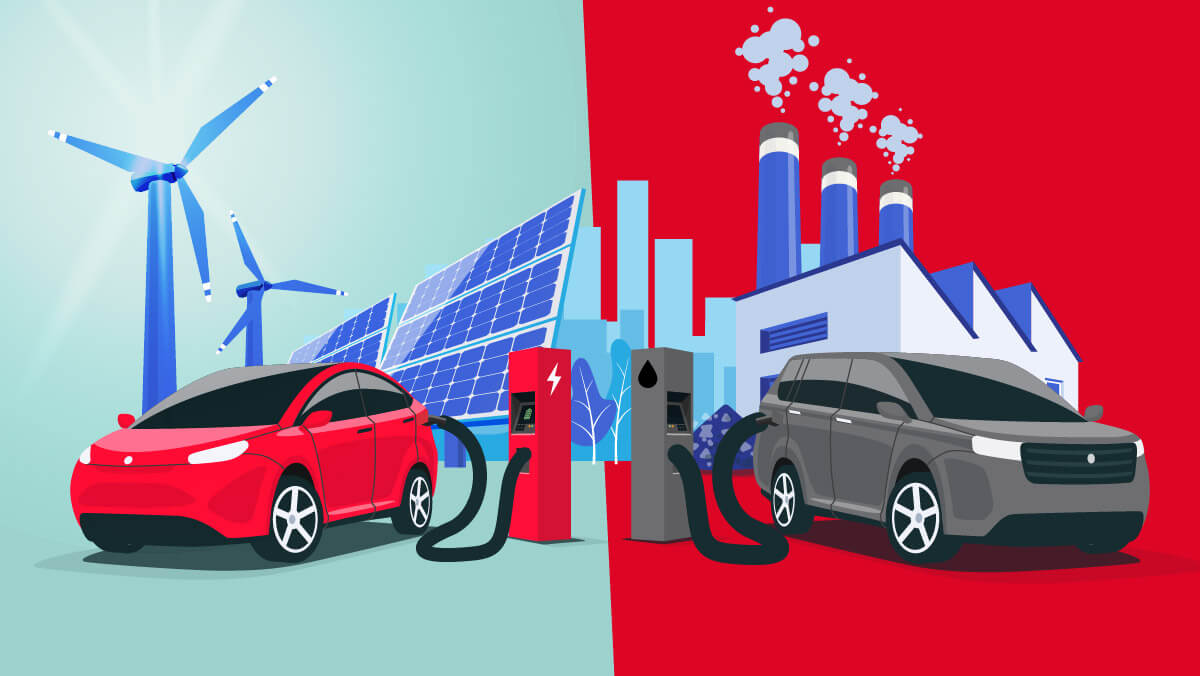
The Electric vs Petrol debate is more than just environment vs convenience. It’s about your daily commute, your budget, your city’s charging infrastructure, and your long-term financial goals. This guide gives you the honest, no-fluff cost comparison you need before spending ₹8–30 lakh on your next car.
Table of Contents
Purchase Price: Electric vs Petrol
The first major difference in the Electric vs Petrol comparison is the upfront cost. Electric cars in India still carry a price premium of ₹2–6 lakh over equivalent petrol variants — though this gap is closing fast in 2026.
Electric Car
₹10L–₹30L+
Entry: Tata Tiago EV ~₹10L. Mid: Nexon EV ~₹16L. Premium: MG ZS EV ~₹25L+
Petrol Car
₹6L–₹22L
Entry: Maruti Alto K10 ~₹6L. Mid: Hyundai Creta ~₹12L. Premium: Jeep Compass ~₹22L+
Key Insight: Don’t stop at sticker price. The Indian government’s FAME-II subsidy and many state EV policies (Gujarat, Maharashtra, Delhi) can reduce EV purchase cost by ₹1–3 lakh. Always check your state’s EV policy before buying.
Running Cost: The Biggest Difference
This is where Electric vs Petrol gets truly interesting — and where EVs win by a landslide. The per-kilometre running cost of an electric car in India is dramatically lower than petrol.
EV Running Cost
₹0.80–₹1.20/km
Home charging ~₹8/unit. 100 km needs ~10 units = ₹80–120 total. Night charging is cheapest.
Petrol Running Cost
₹6–₹8/km
Petrol ~₹100/litre. Car gives 14–18 kmpl = ₹5.5–₹7.5 per km. Highway slightly better.
If you drive 1,500 km per month, the monthly fuel saving with an EV is approximately ₹7,000–₹9,000. Over 5 years, that’s a saving of ₹4.2–₹5.4 lakh — which covers a large portion of the EV’s higher purchase price.
Electric vs Petrol: Full Cost Comparison 2026
| Cost Factor | Electric Car | Petrol Car |
|---|---|---|
| Purchase Price | ₹10L – ₹30L+ | ₹6L – ₹22L (lower) |
| Running Cost/km | ₹0.80 – ₹1.20 | ₹6 – ₹8 |
| Monthly Fuel/Charge | ₹1,200 – ₹1,800 | ₹9,000 – ₹12,000 |
| Annual Maintenance | ₹3,000 – ₹6,000 | ₹8,000 – ₹18,000 |
| Insurance Cost | Slightly Higher | Lower |
| 5-Year Fuel Saving | Save ₹4–5.5L | Higher fuel spend |
| Range Per Charge/Tank | 250–500 km | 500–700 km |
| Refuel / Recharge Time | 30 min – 8 hrs | 5 minutes |
| Charging Infrastructure | Growing fast | Pan-India petrol pumps |
| Resale Value | Uncertain (battery age) | More predictable |
| Environment | Zero tailpipe emissions | CO₂ & pollution |
| Road Tax / Registration | Lower / Exempt in many states | Standard rates |
Maintenance Cost: Electric vs Petrol
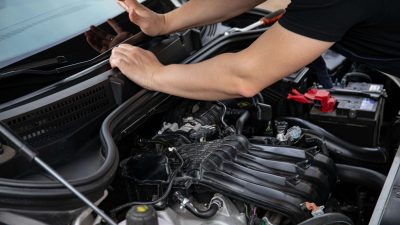
One of the most underrated advantages in the Electric vs Petrol battle is maintenance cost. Electric cars have far fewer moving parts — no engine oil, no clutch, no timing belt, no exhaust system. This means far fewer things that can break down.
A typical petrol car costs ₹8,000–₹18,000 per year in maintenance. An equivalent EV costs just ₹3,000–₹6,000 annually — mainly for tyre rotation, brake fluid, and cabin air filter. Over 5 years, that’s a saving of ₹25,000–₹60,000 in service bills alone.
Who Should Buy What?
Go Electric
- You drive 50–80 km daily in city
- You have home charging facility
- Planning to keep car 5+ years
- Your city has good EV infrastructure
- Want lower monthly running cost
- Eco-conscious buyer
Go Petrol
- You drive long highway distances often
- No home charging option available
- Budget under ₹9 lakh
- Live in Tier-2/3 city with few chargers
- Plan to sell car in 2–3 years
- Need pan-India travel flexibility
2026 Reality Check: India now has over 12,000+ public EV charging stations across major cities and highways. The Tata Power, Ather Grid, and EESL charging networks have expanded massively. If you live in a metro or Tier-1 city, range anxiety is becoming a thing of the past.
Electric vs Petrol: The Real Verdict
In 2026, the Electric vs Petrol decision is no longer black and white. If you’re a city driver with home charging access and a long-term ownership mindset, an Electric car will save you ₹5–8 lakh over 5 years in fuel and maintenance — easily offsetting the higher purchase price.
But if you’re a frequent highway traveller, live in a city with poor charging infrastructure, or plan to sell your car in 2–3 years, a Petrol car still makes more practical sense in 2026.
Bottom line : The smartest car is the one that fits YOUR lifestyle — not just the latest trend. Do the math for your own monthly usage, and the answer will become obvious.