
Running out of essential spare parts can delay repairs, frustrate customers, and reduce workshop profits. A garage may have skilled mechanics and the right tools, but without the required filters, brake pads, spark plugs, or other critical parts, a simple repair can turn into a long wait. This is why Auto Repair Inventory Low-Stock Alerts are important for modern garages.
With a reliable inventory management process, workshops can identify parts that are running low and plan replenishment before stock runs out. Instead of checking every shelf manually, garage owners and service managers can use automated alerts to keep track of stock levels and make better purchasing decisions. In this guide, we explain how Auto Repair Inventory Low-Stock Alerts work, why they matter, and how they can help your workshop operate more efficiently.
Table of Contents
What Are Auto Repair Inventory Low-Stock Alerts?
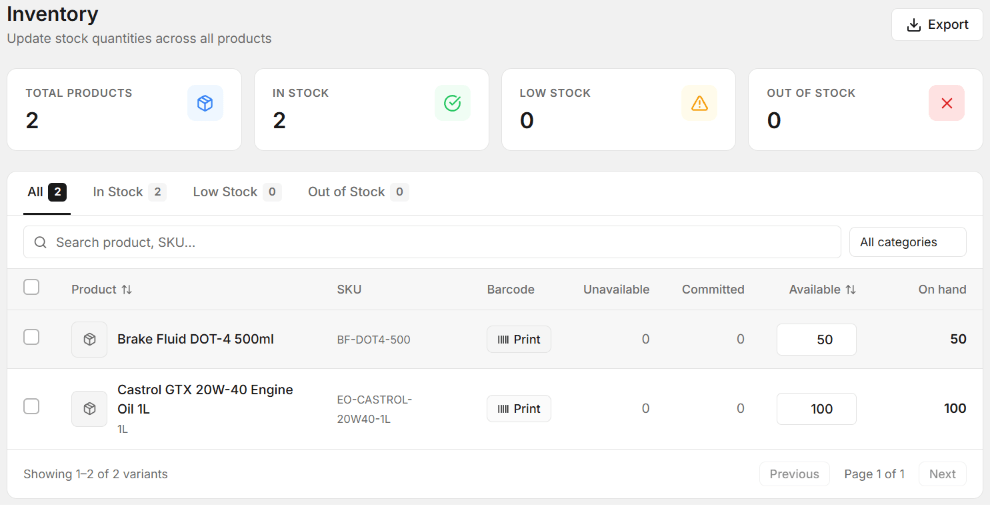
Auto Repair Inventory Low-Stock Alerts are notifications that tell workshop staff when a spare part reaches or falls below a predefined stock level. The alert helps the team understand which items need attention and which parts may need to be reordered soon.
For example, suppose your garage usually keeps 20 oil filters in stock. If the minimum stock level is set to five units, the inventory system can notify your team when the available quantity reaches that point. Staff can then check supplier availability and place a purchase order before the remaining filters are used.
These alerts can be especially useful for parts that are frequently used or essential for completing scheduled repairs. When the system provides clear stock information, workshop managers can spend less time checking shelves and more time managing customer jobs.
Why Low Stock Can Become a Big Problem for Garages
Spare parts are essential to daily workshop operations. Even a small inventory mistake can affect service times, customer satisfaction, and operating costs. When a required part is unavailable, technicians may need to stop work, contact suppliers, or reschedule the repair.
1. Repair Delays
When a garage runs out of a necessary part, a vehicle may remain in the workshop longer than planned. The technician might be ready to finish the repair, but the job cannot move forward until the missing item arrives. Auto Repair Inventory Low-Stock Alerts help teams identify these risks earlier and replenish frequently used parts before they become unavailable.
2. Lower Customer Satisfaction
Customers expect clear timelines and dependable service. If a repair takes longer because a common spare part is missing, customers may lose confidence in the workshop. Better inventory visibility helps service advisors provide more realistic updates and reduces avoidable delays.
3. Emergency Purchasing Costs
When a part is urgently required, a workshop may have to buy it from a more expensive supplier or arrange a quick delivery. These emergency purchases can reduce profit margins. Stock alerts give managers more time to compare prices, check supplier lead times, and choose a cost-effective purchasing option.
4. Poor Use of Workshop Time
Mechanics should focus on inspections, maintenance, and repairs rather than waiting for parts or repeatedly checking storage shelves. A well-managed inventory process can help reduce unnecessary interruptions and improve the flow of work across the garage.
How Auto Repair Inventory Low-Stock Alerts Work
A stock alert system usually works by comparing the current quantity of a part with a minimum stock level defined by the business. When the quantity reaches the threshold, the system creates a notification so staff can review the item and decide whether to reorder it.
For example, a workshop may set the minimum level for brake pads at eight sets because they are regularly used. When the available quantity reaches eight sets, the system flags the item for attention. Staff can then consider upcoming bookings, supplier delivery times, and the expected demand before placing an order.
Effective Auto Repair Inventory Low-Stock Alerts are most useful when the inventory records are accurate and updated whenever parts are received, issued, returned, or adjusted.
Important Features to Look For
- Minimum stock settings: Set a separate threshold for each part based on demand and supply time.
- Clear notifications: Make low-stock items easy for managers and authorised staff to identify.
- Current stock quantities: Keep records updated as parts enter or leave the store.
- Supplier information: Maintain supplier details and typical delivery times to support faster reordering.
- Inventory reports: Review stock movement to identify frequently used and slow-moving items.
- Reorder review: Allow staff to check demand and available stock before approving purchases.
Which Spare Parts Should Have Low-Stock Alerts?
Not every spare part needs the same minimum stock level. The best approach is to prioritise items based on how often they are used, how important they are for completing repairs, how quickly suppliers can deliver them, and how much they cost to store.
Fast-Moving Parts
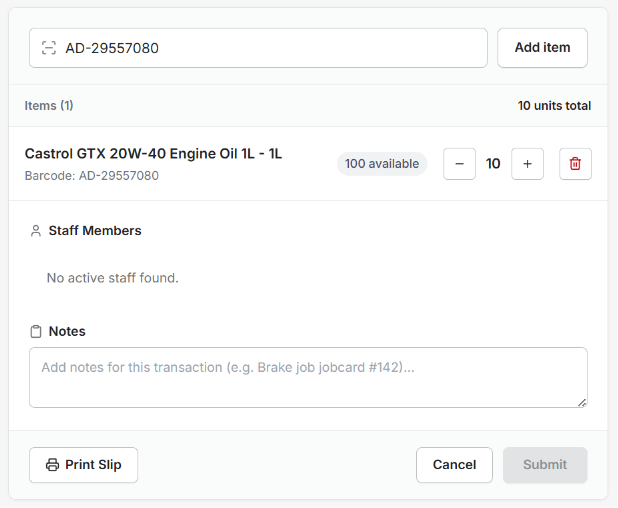
Fast-moving parts are items that workshops use regularly. Examples include oil filters, air filters, engine oil, common bulbs, wiper blades, and selected brake components. These products may need higher minimum stock levels because they are frequently required for routine servicing.
Critical Repair Components
Some parts may not be used every day but are essential for specific repairs. If these items are difficult to source quickly, running out can cause significant delays. Workshops should consider demand patterns and supplier lead times when setting alert thresholds for such components.
Vehicle-Specific Parts
Parts designed for particular makes, models, engines, or production years need careful tracking. Incorrect part numbers can lead to ordering mistakes and unnecessary returns. Keep part descriptions, compatibility details, and supplier references organised so staff can identify the correct replacement.
Expensive or Slow-Moving Items
High-value parts need a different inventory strategy. Keeping too many expensive items in storage can tie up working capital. For these products, stock alerts should support careful purchasing decisions based on confirmed demand, expected repair bookings, and supplier availability.
How to Set the Right Minimum Stock Level
Setting a useful threshold is a key step in making Auto Repair Inventory Low-Stock Alerts effective. If the threshold is too low, an alert may arrive too late. If it is too high, the garage may purchase more parts than necessary and use valuable storage space.
A simple starting point is to consider average daily usage and the time required for a supplier to deliver the part.
Basic reorder point formula:
Reorder Point = Average Daily Usage × Supplier Lead Time + Safety Stock
For example, if a garage uses four oil filters per day, supplier delivery takes three days, and the workshop wants to keep six filters as safety stock, the calculation is:
Reorder Point = 4 × 3 + 6 = 18 oil filters
This means the workshop should consider reordering when the available stock reaches 18 filters. This is a planning example, not a universal rule. Actual thresholds should reflect usage variation, supplier reliability, storage capacity, and the garage’s budget.
Benefits of Auto Repair Inventory Low-Stock Alerts
Fewer Stockouts
Timely notifications help staff notice low quantities before the final item is used. This reduces the chance that a repair will be delayed because a commonly required part is unavailable.
Better Purchasing Decisions
With accurate stock information, managers can order based on actual requirements instead of guesswork. They can compare supplier prices, combine orders where practical, and avoid unnecessary emergency purchases.
Improved Cash Flow
Inventory management is not only about having enough parts. It is also about avoiding excess stock. By reviewing usage patterns and minimum levels, garages can reduce unnecessary purchases and keep more working capital available for other business needs.
More Efficient Workshop Scheduling
When parts availability is visible, service advisors can check whether the required components are in stock before confirming a job. This helps the team plan appointments more realistically and prepare for scheduled repairs.
Greater Accountability
Clear inventory records make it easier to identify stock differences and review how parts are used. Regular stock checks can help uncover data-entry errors, misplaced items, and unexplained adjustments.
Common Mistakes to Avoid
Even the best alert process can fail if inventory data is incomplete or staff do not follow a consistent workflow. Avoid these common mistakes when introducing Auto Repair Inventory Low-Stock Alerts.
- Setting one threshold for every part: Different items have different demand levels and delivery times.
- Ignoring stock updates: Parts must be recorded when received, issued, returned, or written off.
- Ordering without checking demand: An alert should trigger a review, not automatically mean that a large order is required.
- Forgetting supplier lead times: A part delivered the next day may need a different threshold from one that takes a week.
- Ignoring inaccurate part details: Incorrect descriptions or duplicate records can cause ordering errors.
- Never reviewing alert settings: Demand can change with seasonal maintenance, customer bookings, and the types of vehicles serviced.
Review your inventory settings regularly. Compare alert history with actual part usage and adjust the thresholds whenever demand or supplier performance changes.
A Simple Daily Workflow for Garage Inventory
A practical process makes low-stock notifications easier to manage. Your team can follow these steps to keep inventory organised:
- Record incoming parts: Update quantities when deliveries arrive and check them against the purchase order.
- Issue parts to repair jobs: Record the items used for each vehicle so available quantities remain accurate.
- Review low-stock notifications: Check which parts have reached their minimum level.
- Check upcoming bookings: Consider whether scheduled repairs will require additional quantities.
- Confirm supplier availability: Check price, delivery time, and part compatibility before ordering.
- Approve and track orders: Monitor outstanding purchases until the parts arrive and are recorded in inventory.
This workflow helps workshop managers turn alerts into clear actions rather than allowing notifications to go unnoticed.
How AutoDots Can Help Your Workshop
Managing spare parts manually can become difficult as a garage grows, handles more vehicles, and works with more suppliers. A structured digital workflow can help your team keep service information, inventory processes, and daily operations better organised.
AutoDots provides digital tools designed to support automotive workshops and help teams manage their operations more efficiently. By improving how your business records information and organises its workflow, you can build a stronger foundation for inventory control and workshop planning.
When exploring any workshop management platform, check whether its available features meet your specific inventory requirements, including stock quantity tracking, low-stock notifications, supplier records, and purchase management. Clear processes and reliable data are essential for getting value from Auto Repair Inventory Low-Stock Alerts.
For more automotive business tips and workshop management guidance, visit the AutoDots Blog. You can also register for AutoDots to explore the platform and its available features for your business.
Frequently Asked Questions
1. What are Auto Repair Inventory Low-Stock Alerts?
They are notifications that identify spare parts whose available quantity has reached or fallen below a set minimum level. They help garage staff review replenishment needs before parts run out.
2. Why are low-stock alerts important for garages?
They help reduce avoidable stockouts, repair delays, emergency purchases, and unnecessary manual stock checks. They also support better workshop scheduling and purchasing decisions.
3. Which parts should a garage monitor first?
Start with fast-moving items such as filters, engine oil, wiper blades, bulbs, and commonly used brake components. Then prioritise critical or difficult-to-source parts based on demand and supplier lead time.
4. How often should stock levels be reviewed?
Stock records should be updated whenever parts are received or used. Managers should review low-stock notifications regularly and check minimum levels periodically to make sure they reflect current demand.
5. Can low-stock alerts reduce workshop costs?
They can help reduce emergency purchasing and unnecessary overstocking when used with accurate records and sensible reorder rules. Actual savings depend on supplier pricing, usage patterns, and how consistently the workshop follows its process.
6. Do low-stock alerts replace physical stock checks?
No. Alerts depend on accurate inventory records. Regular physical counts help identify discrepancies caused by data-entry errors, misplaced parts, returns, or unrecorded usage.
Conclusion
Running out of a critical spare part can affect repair schedules, customer satisfaction, and workshop profitability. Auto Repair Inventory Low-Stock Alerts help garages identify replenishment needs earlier, plan purchases more effectively, and maintain better visibility of essential components.
Start by tracking your most frequently used parts, setting sensible reorder points, recording every stock movement, and reviewing supplier delivery times. With a consistent inventory process and suitable digital tools, your workshop can reduce avoidable delays and make better use of its time and budget. Reliable Auto Repair Inventory Low-Stock Alerts can become a valuable part of a more organised and efficient garage.