Running an automotive workshop involves many daily tasks, including managing repair jobs, scheduling appointments, tracking spare parts, handling customer information, and preparing invoices. When these activities are managed manually, mistakes and delays can affect customer satisfaction and business growth. A Car Workshop Management System can help workshops organize these tasks and improve overall efficiency.
With the right digital tools, workshop owners can save time, improve communication, reduce paperwork, and manage daily operations more effectively. In this article, we will explore seven powerful ways to improve workshop efficiency and explain how digital management tools can support long-term business success.
Table of Contents
1. Organize Daily Workshop Operations
One of the biggest challenges for workshop owners is keeping every activity organized. Mechanics may work on several vehicles at the same time, while service advisors handle customer calls, appointments, and repair updates. Without a clear system, it becomes difficult to understand which jobs are pending and which vehicles are ready for delivery.
A Car Workshop Management System helps bring important workshop information into one organized place. Depending on its features, the software can help staff record repair requests, assign jobs, monitor progress, and maintain service records.
When everyone can access the information they need, the team can spend less time searching through paperwork and more time completing repairs. Clear job assignments also help workshop managers identify delays and distribute work more effectively.
Practical tip: Create a standard process for registering vehicles, assigning technicians, recording repairs, and completing final inspections. A consistent process makes daily work easier to manage.
2. Improve Appointment Scheduling
Appointment scheduling has a direct impact on workshop productivity. When too many vehicles arrive at the same time, customers may experience long waiting periods, and technicians may struggle to manage their workload. Poor scheduling can also leave technicians without enough work during quieter periods.
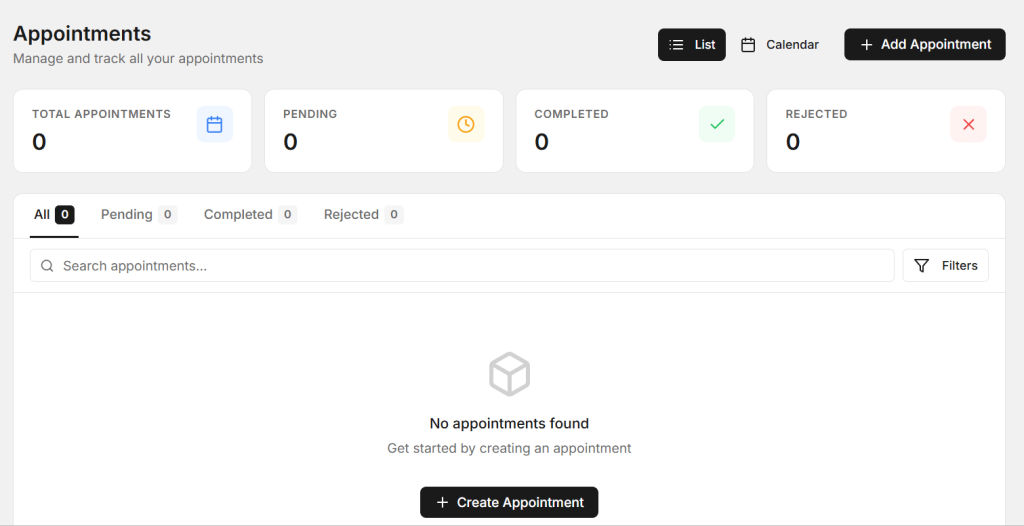
Digital scheduling tools can help workshops organize bookings, plan service times, and track upcoming appointments. A Car Workshop Management System with scheduling features can give staff a clearer view of the daily workload and help them prepare for expected vehicle arrivals.
For example, a workshop can plan routine maintenance appointments separately from repairs that may require more time. Staff can also record customer preferences and identify available service slots before confirming a booking.
Better scheduling can reduce unnecessary waiting, support more balanced workloads, and make the customer experience smoother.
3. Track Repair Jobs from Start to Finish
Repair job tracking is essential for maintaining control over workshop activities. A vehicle may pass through several stages, including inspection, diagnosis, repair approval, parts ordering, repair work, quality checks, and delivery.
If these stages are not recorded properly, staff may struggle to answer customer questions or identify the reason for a delay. Digital job tracking can make each stage easier to follow.
A Car Workshop Management System can help teams record job status, assign responsibilities, and keep important repair details together. Workshop managers can review ongoing jobs and identify tasks that need immediate attention.
Clear tracking also supports better communication between service advisors and technicians. Instead of relying on memory or handwritten notes, staff can refer to recorded job information when discussing repair progress.
4. Manage Spare Parts and Inventory Efficiently
Spare parts management is another important factor in workshop efficiency. A repair can be delayed when the required part is unavailable, incorrectly recorded, or difficult to locate. At the same time, buying too much stock can tie up money and increase storage costs.

Inventory management features can help workshops record parts received, parts used, current stock levels, and items that need reordering. Some systems also support minimum-stock alerts and supplier records.
Using a Car Workshop Management System with inventory capabilities can help staff check part availability before starting a repair. This makes it easier to plan purchases and reduce delays caused by missing components.
Workshops should review frequently used parts regularly and maintain accurate stock records. These simple habits can improve purchasing decisions and help reduce unnecessary inventory expenses.
5. Simplify Billing and Payment Records
Accurate billing is important for both customer trust and business profitability. Preparing invoices manually can take time and may lead to missing labour charges, incorrect part prices, or calculation errors.
Digital billing tools can help workshops prepare invoices that include labour, spare parts, taxes where applicable, and other approved charges. They can also help maintain payment records and identify outstanding balances.
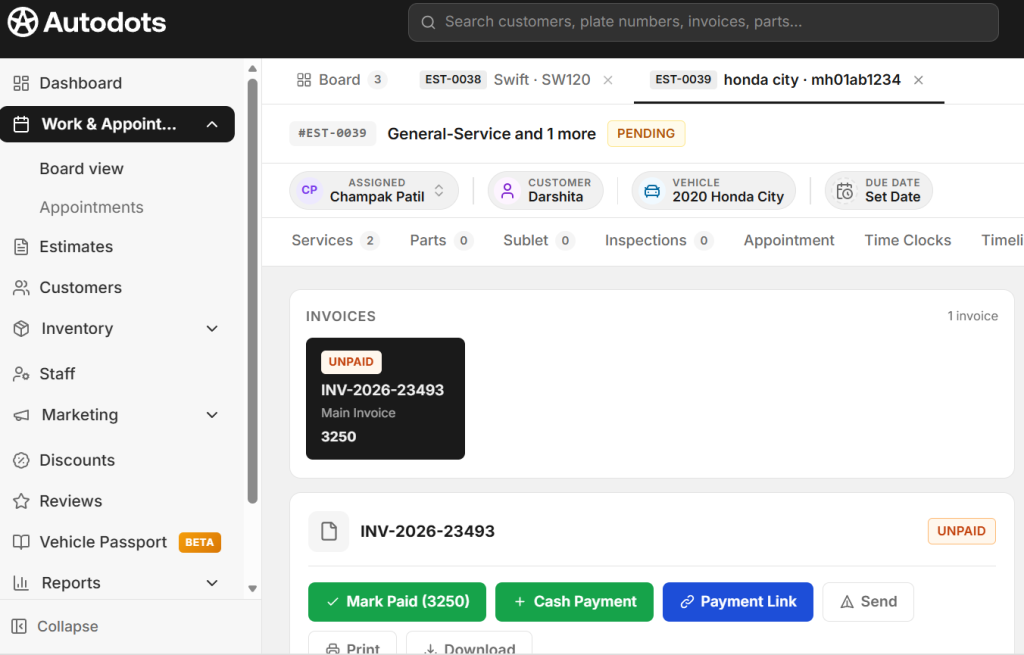
A Car Workshop Management System that includes billing functionality can connect repair job information with invoice preparation. This reduces the need to enter the same details multiple times and makes financial records easier to review.
Workshop owners should still check invoices carefully before issuing them. Clear estimates, customer approvals, and transparent charges help prevent misunderstandings and support stronger customer relationships.
6. Strengthen Customer Communication
Customers want to know what is happening with their vehicles, how much a repair may cost, and when the work will be completed. When updates are delayed, customers may repeatedly call the workshop, creating extra work for service advisors.
Customer management features can help workshops maintain contact details, service histories, appointment records, and notes about previous visits. Depending on the software, teams may also be able to send appointment reminders, service notifications, or repair status updates.
A Car Workshop Management System can help staff find customer and vehicle information more quickly, making conversations more accurate and useful.
For better results, workshops should explain expected repair times clearly, obtain approval before performing additional work, and inform customers when unexpected delays occur. Good communication builds trust and encourages repeat visits.
7. Use Reports to Make Better Business Decisions
Workshop owners need reliable information to understand how their business is performing. Important measures include the number of completed jobs, average repair time, technician workload, parts usage, revenue, and customer retention.
Without organized records, it can be difficult to identify which services are performing well or where time and money are being lost. Reporting tools can turn daily workshop records into useful business insights.
A Car Workshop Management System with reporting features can help owners review performance and identify opportunities for improvement. For example, reports may reveal recurring delays, frequently used spare parts, or periods when appointment demand is highest.
Use these insights to set realistic targets, improve job scheduling, review inventory practices, and support staff training. Reports are most useful when they are accurate and reviewed regularly rather than only when a problem occurs.
How to Choose the Right Workshop Management Software
Every automotive workshop has different requirements. A small independent garage may need basic appointment booking and invoicing, while a larger workshop may require technician scheduling, detailed inventory tracking, multiple user accounts, and advanced reporting.
Before choosing software, consider these important points:
- Ease of use: Choose a system that your team can learn without unnecessary complexity.
- Essential features: Check whether it supports job cards, scheduling, customer records, billing, and inventory management as needed.
- Data security: Review user permissions, backup options, and how customer information is protected.
- Scalability: Consider whether the software can support your business as the workshop grows.
- Support and training: Look for clear onboarding guidance and dependable assistance when problems occur.
- Cost and value: Compare subscription charges and setup costs with the time and resources the system may save.
It is also helpful to involve technicians and service advisors in the selection process. Their feedback can reveal practical requirements that owners might otherwise overlook.
How AutoDots Can Help Your Workshop
Improving workshop efficiency requires a combination of organized processes, skilled staff, and suitable digital tools. AutoDots supports automotive businesses that want to explore digital solutions for workshop operations and service management.
By reviewing your current workflow and identifying time-consuming tasks, you can decide which processes would benefit most from digital management. Clearer records, organized service activities, and improved operational visibility can help create a more consistent customer experience.
To learn more about opportunities for automotive businesses, visit the AutoDots partner program. You can also explore practical automotive industry information on the AutoDots automotive blog.
Frequently Asked Questions (FAQs)
1. What is workshop management software?
Workshop management software is a digital tool that helps automotive businesses organize activities such as appointments, repair jobs, customer records, spare parts, billing, and reporting.
2. How can digital software improve workshop efficiency?
It can reduce repetitive data entry, improve job tracking, organize schedules, support accurate records, and help staff identify delays more quickly.
3. Is workshop management software useful for small garages?
Yes. Small garages can use digital tools to organize customer information, track repair work, prepare invoices, and manage appointments. The best choice depends on the workshop’s size, budget, and needs.
4. Can workshop software help manage spare parts?
Software with inventory features can record stock levels, monitor parts usage, and help identify items that need reordering. This can reduce avoidable repair delays and improve stock control.
5. Does workshop management software improve customer satisfaction?
It can support better customer service by making records easier to access, helping staff provide repair updates, and keeping appointments and billing more organized.
6. What features should a workshop look for first?
Start with the features that address your biggest problems. These may include job tracking, appointment scheduling, customer records, invoicing, inventory management, and performance reports.
Conclusion
A Car Workshop Management System can help automotive workshops improve efficiency by organizing daily operations, improving appointment scheduling, tracking repair jobs, managing spare parts, simplifying billing, strengthening customer communication, and supporting better business decisions.
However, software delivers the best results when it supports a clear working process and the team uses it consistently. Start by identifying the biggest operational challenges, choose tools that match your needs, and review performance over time. With the right approach, your workshop can reduce avoidable delays, serve customers more effectively, and build a stronger foundation for business growth.